
AI bus cameras will drive a transit revolution
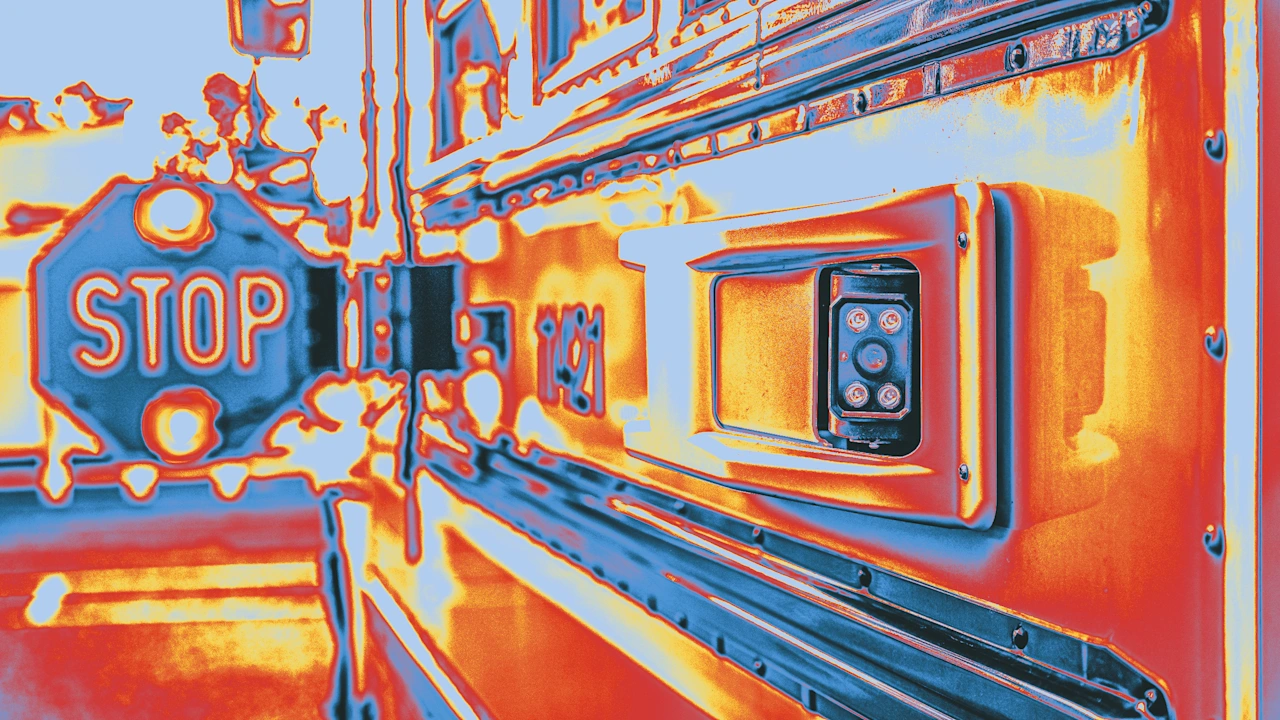
Philadelphia recently rolled out bus-mounted AI cameras that capture people driving personal vehicles in dedicated bus lanes. Innovations like this are necessities because so many people suffer from Car Brain.
Cities have long grappled with an infuriating dilemma: illegally parked cars that choke bus lanes, inflate commutes, and discourage potential riders away from public transit. Recent studies show that lane obstructions increase bus delays 20% to 30% during peak hours. But now cameras mounted directly on buses provide real-time solutions by using sophisticated computer vision and machine learning, instantly identifying offenders and automating ticketing. It bypasses the heavy costs (and limited reliability) of human enforcement.
How it works
Unlike typical cameras, the bus-mounted AI systems dynamically adjust to shifting environments—light changes, weather conditions, and unpredictable circumstances that we so often encounter in urban environments. Besides the obvious benefit of keeping bus lanes clear, the technology generates data to optimize bus routes, traffic signal timing, and overall network efficiency, strengthening the backbone of a multimodal transportation system that integrates buses, bikes, pedestrians, and private vehicles.
{"blockType":"creator-network-promo","data":{"mediaUrl":"","headline":"Urbanism Speakeasy","description":"Join Andy Boenau as he explores ideas that the infrastructure status quo would rather keep quiet. To learn more, visit urbanismspeakeasy.com.","substackDomain":"https:\/\/www.urbanismspeakeasy.com\/","colorTheme":"green","redirectUrl":""}}
Faster travel times
The challenges
Challenges exist, of course. People are right to be concerned about license plate data being collected and high fines issued for parking in bus lanes. In response, cities have limited data retention to 30 days, made non-offender information anonymous, and run marketing campaigns about the automated enforcement. But there’s one way concerned citizens can avoid getting their license plate scanned and a ticket mailed to their house—don’t park in the bus lane.
Automated bus lane enforcement (similar to speed cameras and red-light running cameras) will be a cornerstone of robust multimodal transportation. Reliable, on-time service encourages more people to use public transit instead of private automobiles.
Remember, a well-run bus system is an express sidewalk—a piece of infrastructure that dramatically expands the number of destinations within walking distance. The moment we stop treating the bus as a social program and start treating it like an express sidewalk, we unlock a public good that meets people where they are and moves them forward.
{"blockType":"creator-network-promo","data":{"mediaUrl":"","headline":"Urbanism Speakeasy","description":"Join Andy Boenau as he explores ideas that the infrastructure status quo would rather keep quiet. To learn more, visit urbanismspeakeasy.com.","substackDomain":"https:\/\/www.urbanismspeakeasy.com\/","colorTheme":"green","redirectUrl":""}}