Choral evensong has been on our airwaves for 100 years today. Long may this vibrant, thriving art form continue | Jonathan Davies
One hundred years since the BBC first broadcast choral evensong, MP and former chorister Jonathan Davies hymns a beautiful and empowering collective experience that we should praise – and protect
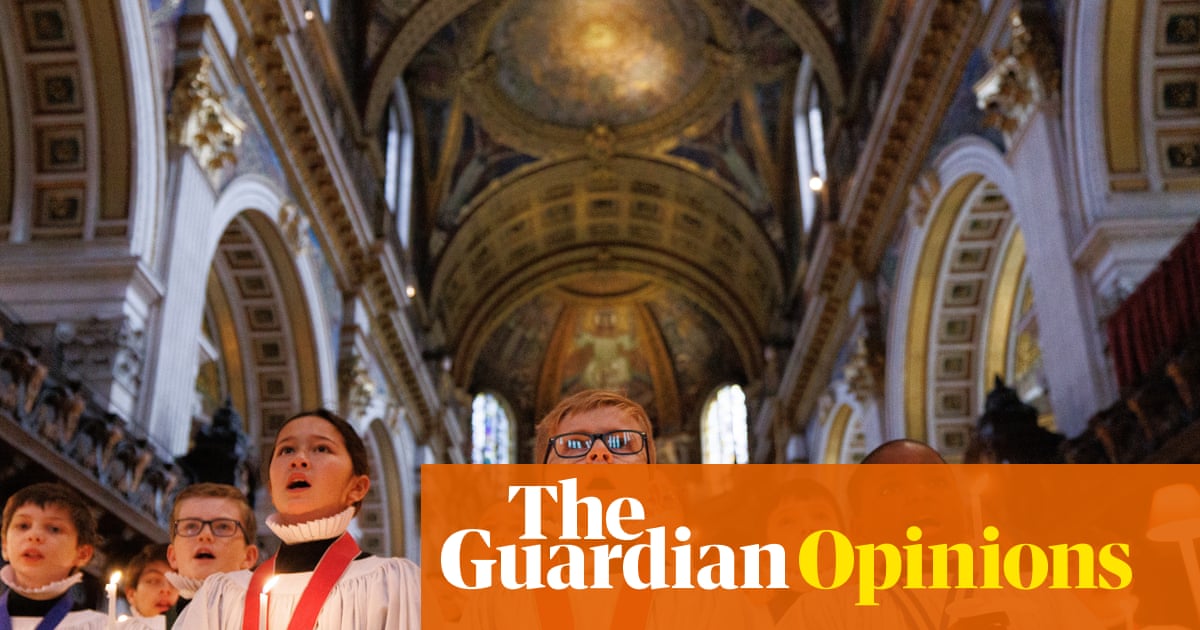
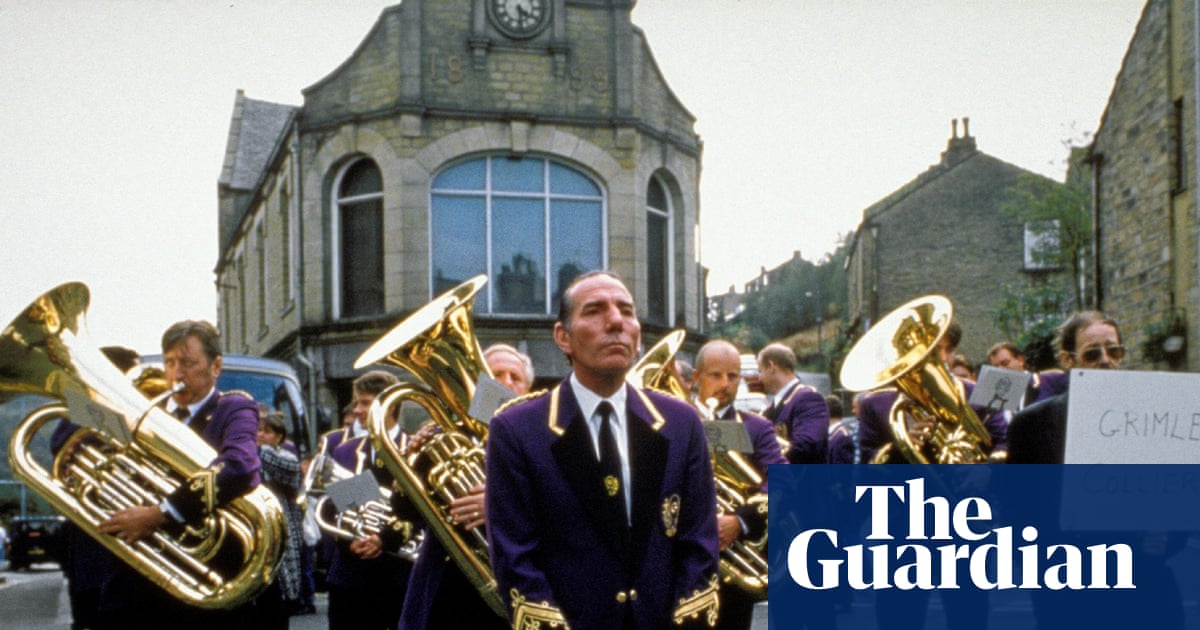
Some sounds seem to belong to Britain. The peal of church bells. The brass band on a village green. The roar of a football crowd. And, heard from a cathedral at the end of the day, the extraordinary sound of a choir singing evensong.
This year marks the centenary of choral evensong on BBC radio. On 7 October 1926, when the BBC was in its infancy, listeners heard a live service broadcast from Westminster Abbey. A century later, evensong can still be heard on Radio 3 every week from cathedrals, churches, chapels and abbeys across the country. It is the BBC’s longest running outside broadcast and reaches hundreds of thousands of people every week.
For the listener at home, the radio can make a distant cathedral feel remarkably close. But we should not celebrate this simply as a remarkable broadcasting survival story. We should celebrate it because it represents something much bigger: a living part of our cultural heritage.
You do not have to be religious or particularly musical to understand the power of evensong. You do not even need to know what a Magnificat or an anthem is. There is something profoundly human about sitting quietly in a great building, hearing young and old voices combine in astonishingly beautiful music. Being given permission for 45 minutes of detachment from the frenetic pace of modern life. For some it is prayer, for others contemplation, inspiration or simply a moment of peace.
That is culture at its best: not something kept behind closed doors, but a collective experience. And that is why we should care about what happens when the ecosystems that sustain this tradition come under pressure.
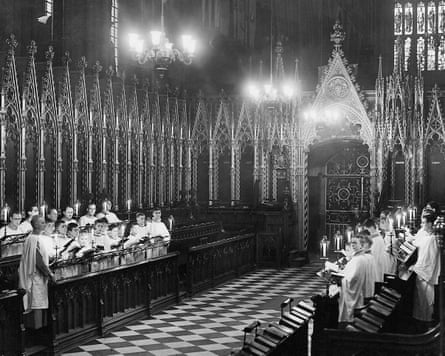
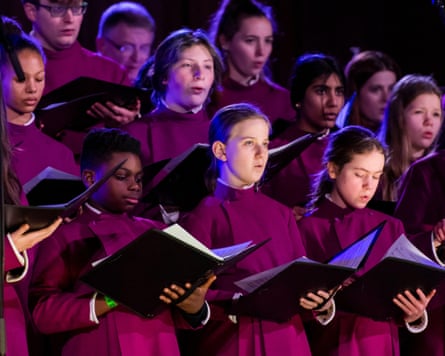
Cathedral music is not simply about preserving an old repertoire. It is a living tradition, with newly written music sitting alongside pieces that have been passed down through generations. Around 3,000 children and young people currently sing as choristers in the UK’s cathedrals, churches and chapels, with thousands more taking part in youth and school choirs led by church musicians. Through these experiences they develop exceptional musical skills alongside confidence, discipline, teamwork and a sense of belonging to something much larger than themselves. Many take these skills into careers far beyond music.
There is also an important social mobility story here. A cathedral choir can give a child access to world-class musical training, extraordinary cultural experiences and educational opportunities that might otherwise be beyond their reach. But we also need to be honest about the barriers, too: affordability, access to music tuition and the unfamiliarity of cathedral culture can all restrict who gets through the door. Preserving this tradition cannot mean simply preserving the status quo. It must mean widening access to it.
Singing in a church choir as a child opened up worlds for me. Not just through the opportunity – as Thomas Cranmer put it – to “read, mark, learn and inwardly digest” the most sacred of texts, illuminated by a wealth of the most enriching music humankind has created. It instilled an appreciation of routines and hard work, and it taught me that you can achieve more through collaboration than you can alone. It also taught me that success is sometimes built on of the insights of failure. Something of which I occasionally have to remind myself as a member of parliament.
The charity Cathedral Music Trust is working hard to ensure the continuation of these sorts of opportunities and is leading a campaign to secure Unesco status for English sacred choral music. Their submission for Living Heritage status seeks recognition not for a historical artefact, but for a vibrant and thriving art form, one continually renewed by the children who sing it, the composers who add to its repertoire and the communities who participate in it. Unesco recognition would send an important message worldwide: that this is deemed worthy of recognition, investment and protection, and remains a vital part of the UK’s national cultural inheritance.
The UK rightly celebrates its great theatres, galleries and museums. We should be equally confident in celebrating a cultural and religious tradition that is performed every day, in buildings at the heart of communities, by musicians of extraordinary skill. A tradition that has reached so many people through the simple miracle of radio. We have a responsibility not simply to admire this wonderful tradition, but to protect it and to make sure that the next generation can claim it as their own.
Originally published by theguardian.com. Syndicated material does not necessarily reflect the views of GQ British Lifestyle.