
Does Kai Cenat deserve to be at New York Fashion Week?
The polarised reaction to Kai Cenat’s VIVET debut has exposed how easily fair criticism can slide into fashion gatekeeping


The polarised reaction to Kai Cenat’s VIVET debut has exposed how easily fair criticism can slide into fashion gatekeeping
September 14, 2026
September 14, 2026
VIVET SS27 by Kai Cenat
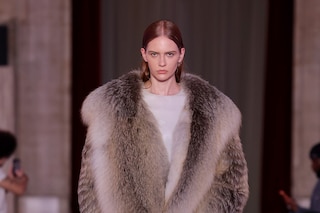
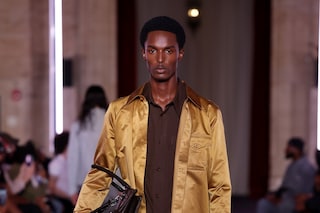
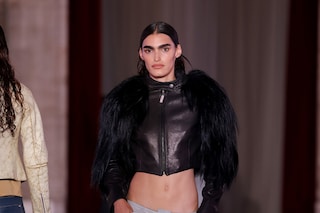
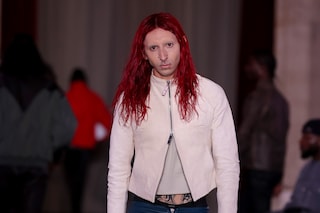
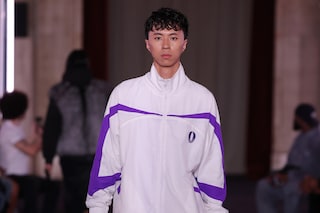
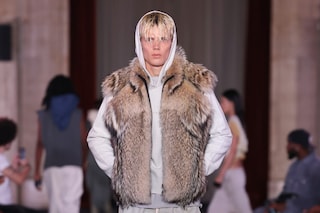
On Saturday, over 180,000 people livestreamed a runway show from VIVET, a burgeoning independent brand showing at New York Fashion Week for the first time. Usually, such buzz for a formerly unknown label would be something to celebrate. Instead, the internet is divided. That’s because the designer behind the collection is 24-year-old Kai Cenat, the most-streamed Twitch user in the world.
Most of the criticism picks apart his credentials, or lack thereof. “Feels like he watched a couple of Rick shows and called it a day,” reads one comment on Instagram. “Money will never buy a unique vision,” reads another. Rather than concentrating on the clothes, this discourse revolves around Cenat’s background in streaming and whether he is “worthy” of showing a collection at New York Fashion Week at all. He didn’t hone his craft at a prestigious fashion school, nor did he bag an internship at an esteemed Paris fashion house. What he does have, however, is an online audience he’s built up tirelessly over the past five years.
We all know the rules have changed and online visibility has become a crucial determinant of creative success. Still, any divergence from the status quo is met with fierce backlash from the fashion establishment and its devotees. Some of it is understandable. Many designers have worked hard for years to make it in fashion, but lack the money or resources to show at fashion week, let alone have the kind of platform Cenat has built. As digital content creators start to dominate creative fields across the board, there is some logical resistance from those who work hard at their craft but lack the audience needed to break through.
There is no clear road map for breaking into the industry today. A fashion degree and the ability to sew is no longer what makes a fashion designer, if it ever was
Fashion critic Ayọ̀ Òjó, aka Fashion Roadman, is well-versed in the industry’s shifting goalposts. Despite attending Central Saint Martins himself, he writes on Instagram that, “A lot of people who went to fashion school feel entitled to opportunities just because of a degree. Kai created his own platform, lane and audience separate to the industry and is utilising it.” There is no clear road map for breaking into the industry today. A fashion degree and the ability to sew is no longer what makes a fashion designer, if it ever was.
Let’s get this part out of the way: the clothes at VIVET weren’t life-changing. Presented in three acts, there were boxy hoodies, leather biker trousers, fur gilets, drawstring joggers and contemporary tailoring. Alton Mason closed the show in a floor-sweeping fur coat. Cenat had clearly pulled from both the Demna and Yeezy playbooks. Overall, the collection lacked a distinct vision, but isn’t that so often the case with early career designers? Cenat has built a platform, yes, but with that platform comes added scrutiny.
The majority of the commentary around Cenat’s runway debut isn’t that the clothes aren’t good, but whether he should have been at fashion week in the first place. Many question how much input he really had in the final designs. “Did he actually sew anything?” or “I just know the interns and junior designers did all the work.” This critique is redundant because this is the case at most major fashion houses, not just those founded by streamers. Besides, it’s not like Cenat has no fashion experience whatsoever. Over the past nine months, he has focused on learning as much as he can. He might not have a fashion degree, but he spent that time in Italy, studying manufacturing, pattern-making and leather construction alongside industry specialists.
Cenat is hardly the first self-taught designer or creative director who didn’t attend fashion school, and there have long been designers who were famous for other things first – the Olsen twins, Stella McCartney, Victoria Beckham. When these celebrities first turned their hand to fashion, they were met with criticism and backlash too, but today they are as known for their fashion brands as they are for anything else. Cenat is not the first digital content creator to launch his own fashion brand, either, although these ventures usually come from influencers with some kind of fashion background and focus on direct-to-consumer e-commerce rather than showing at fashion week – Matilda Djerf’s one-off NYFW runway show in 2023 being a notable exception.
While fashion brands by content creators have come to be expected, fashion week is still one of the industry’s most gatekept events. It wasn’t that long ago that established fashion editors were getting angry at fashion bloggers on the front row. Meanwhile, conversations about whether influencers are ‘worthy’ enough to attend resurface season after season. It’s nothing new for the fashion establishment and its devotees to get mad at someone for not following the traditional, established route.Fashion has also spent years courting influencers and streamers as front-row guests and promotional muscle; maybe the discomfort starts when they stop amplifying someone else’s brand and start building their own. Musicians launching fashion collections barely raise an eyebrow now, but a streamer doing the same still seems to provoke a different kind of suspicion.
Everything is either instantly iconic or the worst thing fashion has ever seen. This breathless, hyperbolic approach gives designers little chance to grow and evolve
The polarised reaction to Cenat’s runway debut reveals how difficult it is to fairly and calmly appraise a collection when everything online needs a hyperbolic reaction to cut through. Business of Fashion called him “Gen Z’s answer to Virgil Abloh”, while others say he’s everything wrong with fashion. Neither of these reactions are actually representative of the collection. Both set the young designer up for failure.
The online response points to an issue with online fashion criticism more broadly. Everyone is so keen to share their hot take that they don’t give a collection time to breathe. Everything is either instantly iconic or the worst thing fashion has ever seen. This breathless, hyperbolic approach gives designers little chance to grow and evolve.
On the surface, criticising successful influencers and streamers can feel like it’s punching up at the ultra-rich, and it’s understandable if young designers, many of whom are struggling to afford materials and make ends meet in a cutthroat industry, might feel resentful. But the focus onis ‘worthy’ of being at fashion week is really its own form of elitism, encouraging the view of fashion as a predetermined system where only specific kinds of people are allowed success. Social media has democratised fashion and we should celebrate that. It means that anyone is worthy of being a fashion designer – even Kai Cenat. While a Twitch streamer at New York Fashion Week might seem like the ultimate ragebait, at least to some, it’s time to block out the noise and let young designers learn their craft as they go.
Expand your creative community and connect with 30,000+ creatives from around the world.
Originally published by dazeddigital.com. Syndicated material does not necessarily reflect the views of GQ British Lifestyle.