From the overblown to the ordinary? Met Gala 2027 to celebrate ‘poetics of everyday’
Event regarded as Oscars of fashion industry replaces John Galliano retrospective with homage to the ‘extra ordinary’
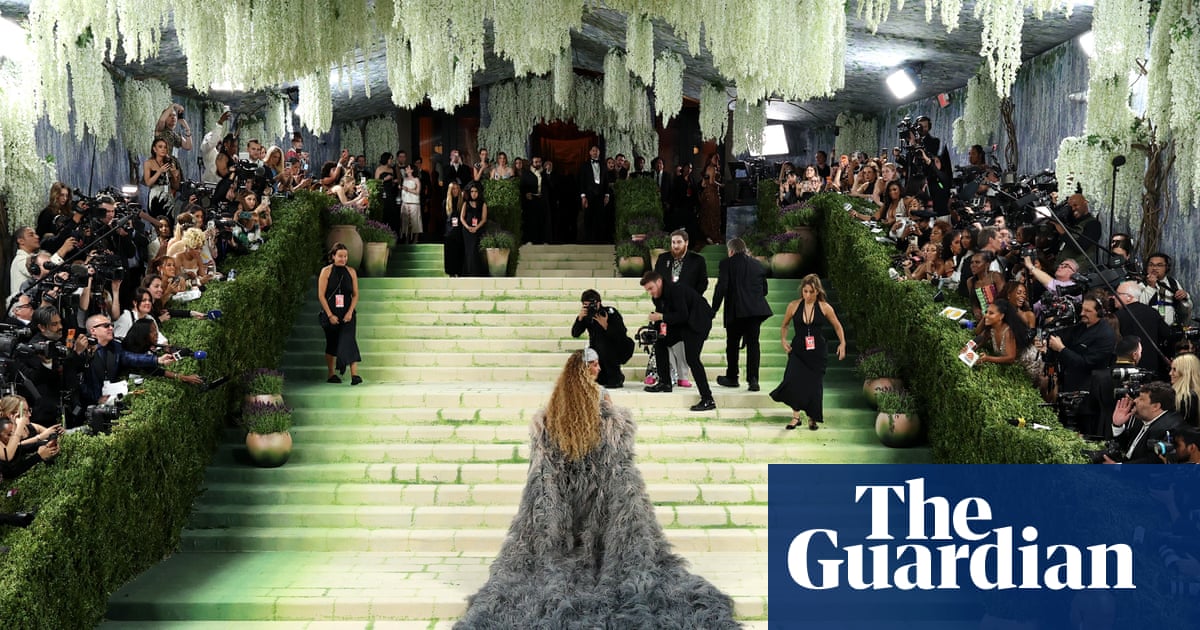
A few months after the planned John Galliano Met Gala retrospective was cancelled amid a backlash focused on the designer’s past, a more commonplace theme has been announced: “extraORDINARY: fashion and the poetics of the everyday.” It has left some commentators speculating that celebrities might replace the couture “omelette dresses” and four-part red-carpet performances with jeans and a nice top.
While the dress code for the next Met Gala, which will be held on 3 May 2027, is yet to be announced, it traditionally derives from the exhibition theme.
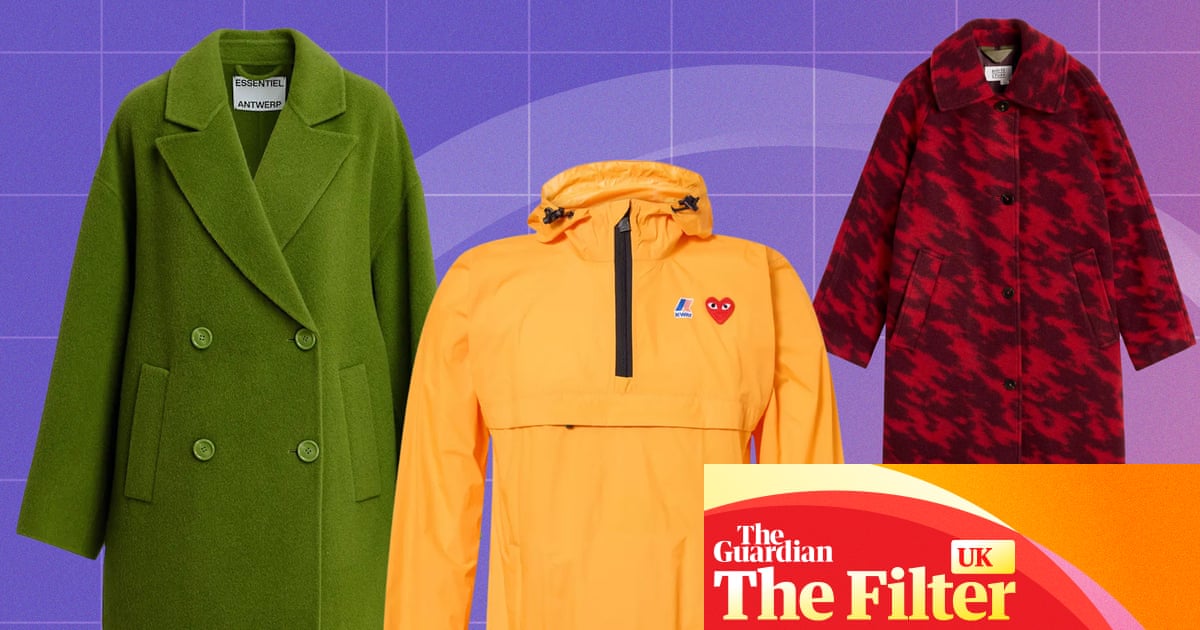
According to a press release, extraORDINARY will “explore how designers rework familiar garments, everyday objects, and commonplace materials”. Taking wardrobe staples and everyday materials – “from jeans, T-shirts and puffer coats to paper, plastic and metal” – it will “examine how design reveals unexpected possibilities within everyday things”.
Reactions have been mixed. For Dana Thomas, the author of Gods and Kings: The Rise and Fall of Alexander McQueen and John Galliano, it “reinforces the message that was very, very clear with the Galliano announcement that the costume institute’s team is highly out of touch”. She characterises the decision to “take such ordinary garments and then show how fashion has co-opted them and added zeros to the price tag” as tone deaf.
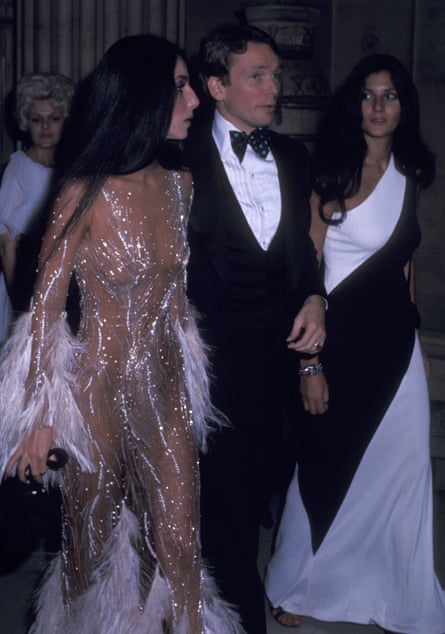
It is also, she says, a “missed opportunity”. Thomas is among those who think the theme would have been better off honouring some of the biggest names from the worlds of fashion and popular culture who have died this year, including Dolly Parton and Bob Mackie, the designer responsible for the “naked” dress worn by Cher to the Met Gala in 1974 and many of Parton’s costumes over the years. “There could have been a Bob Mackie room in the Dolly Parton show.” It would, she says, “have been easy and it would have been a beautiful homage to a woman who was a style icon and a humanitarian”.
Thomas also thinks it would have “been enormous – it would have made the museum a ton of money, it would have gotten a lot of goodwill from the press. It would have been loved by Americans and tourists in New York alike.” Instead, she says, “fun is missing from the equation”.
According to 1Granary, a platform known for holding the industry to account: “The new Met Gala theme proves that sometimes fashion is either too controversial to exist or too boring to care about.” For Malique Morris, a correspondent at Line Sheet, an industry newsletter, his underwhelm stems from the fact it came “in the wake of a Galliano exhibit”. “Because we’re not getting that, we’re going to feel robbed,” he says.
Others online point out that this new theme feels about as far from the fantastical work of the famed couturier Galliano, who was found guilty of a hate crime in 2011 after a series of racist and antisemitic rants, as it’s possible to get.
But for some commentators, extraORDINARY is cause for celebration and intrigue. According to the celebrity stylist and Vogue contributor Marian Kwei, the theme is “very clever”. It seems, she says, “very simple, but it’s far from it. It’s actually a very interesting thing, which I think is an incredible celebration of fashion, the concept of fashion design and what designers try to do with design itself.”
As for how the theme could translate on to the red carpet: “it could be a palette cleanser,” says Morris, “maybe a bit of a refresh. Instead of the constant peacocking, trying to have a viral moment … there could be a sense of just look good, make sure the clothes fit you well, tell a story and that story doesn’t have to be incredibly high glam.”
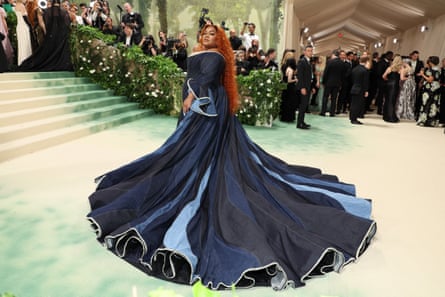
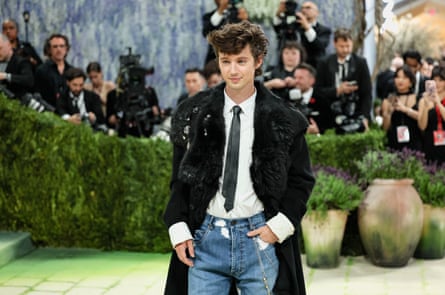
There is a red carpet precedent for staples like denim. The American designer Zac Posen, in his capacity as creative director of Gap, has been responsible for lots of these trends, including at the Met. In 2024 Da’vine Joy Randolph wore an all-denim creation by Posen to the gala. At last year’s event, the Australian pop star Troye Sivan wore devoré-effect jeans by Prada and the model Bhavitha Mandava wore muslin-printed trousers made to look like blue jeans by Matthieu Blazy at Chanel.
Perhaps the exhibition’s focus on “recycling, upcycling and reuse” will see the work of designers such as the Swedish designer Ellen Hodakova Larsson, who creates couture gowns out of belt buckles and old spoons, worn to the event. Kwei speculates that the work of the Dutch designer Duran Lantink, who does “incredible things with everyday materials”, may be a good fit.
With individual tickets last year going for about $100,000, there is nothing everyday about the guest list, which is personally overseen by Anna Wintour. There are, says Kwei, opportunities for missteps “when it is attended by people who are not really in touch with the context of the times”. It is, she says, “going to be very interesting for the red carpet”.
Originally published by theguardian.com. Syndicated material does not necessarily reflect the views of GQ British Lifestyle.