
How to Dye Curly Hair Safely, According to Hairstylists
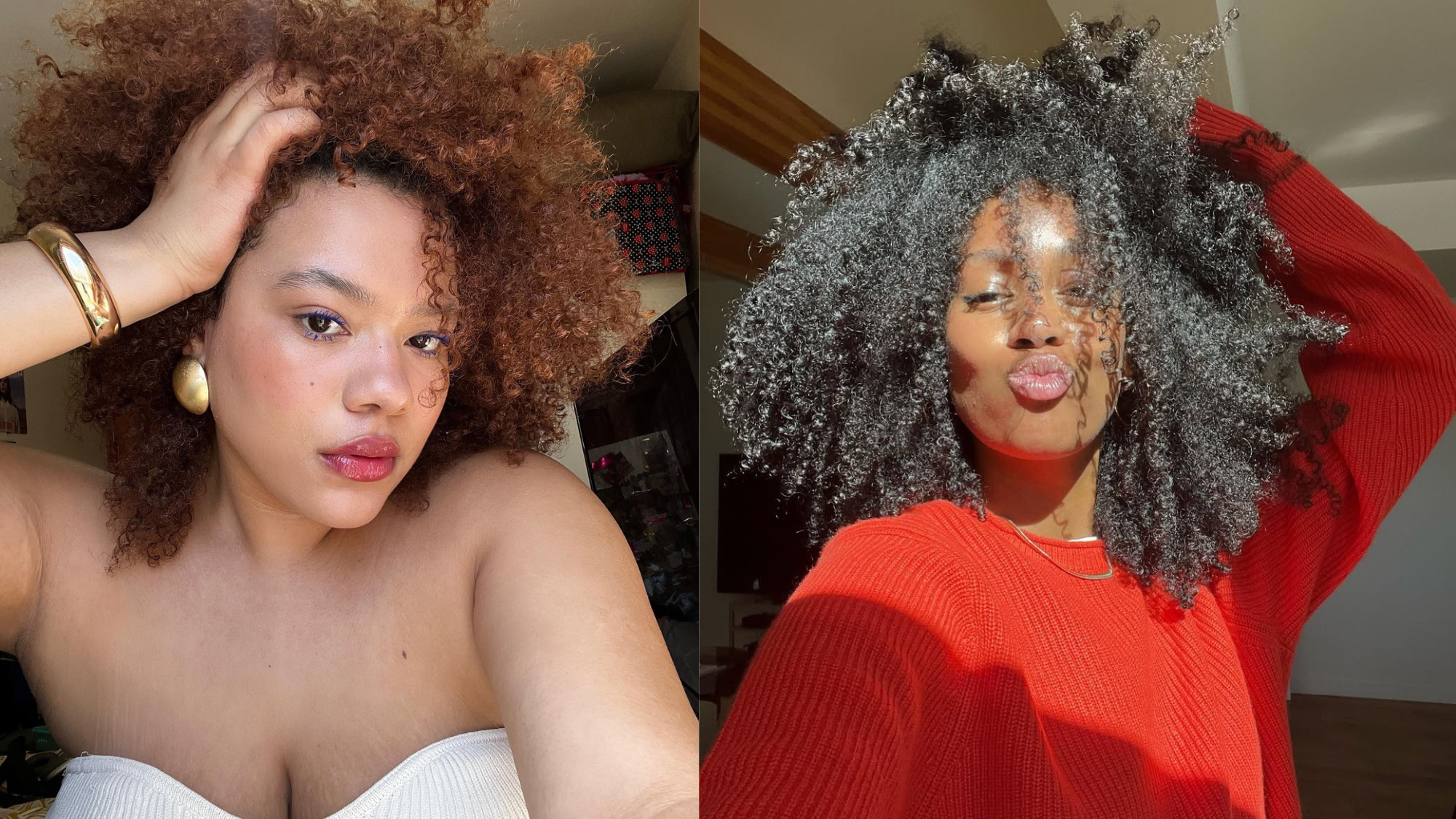
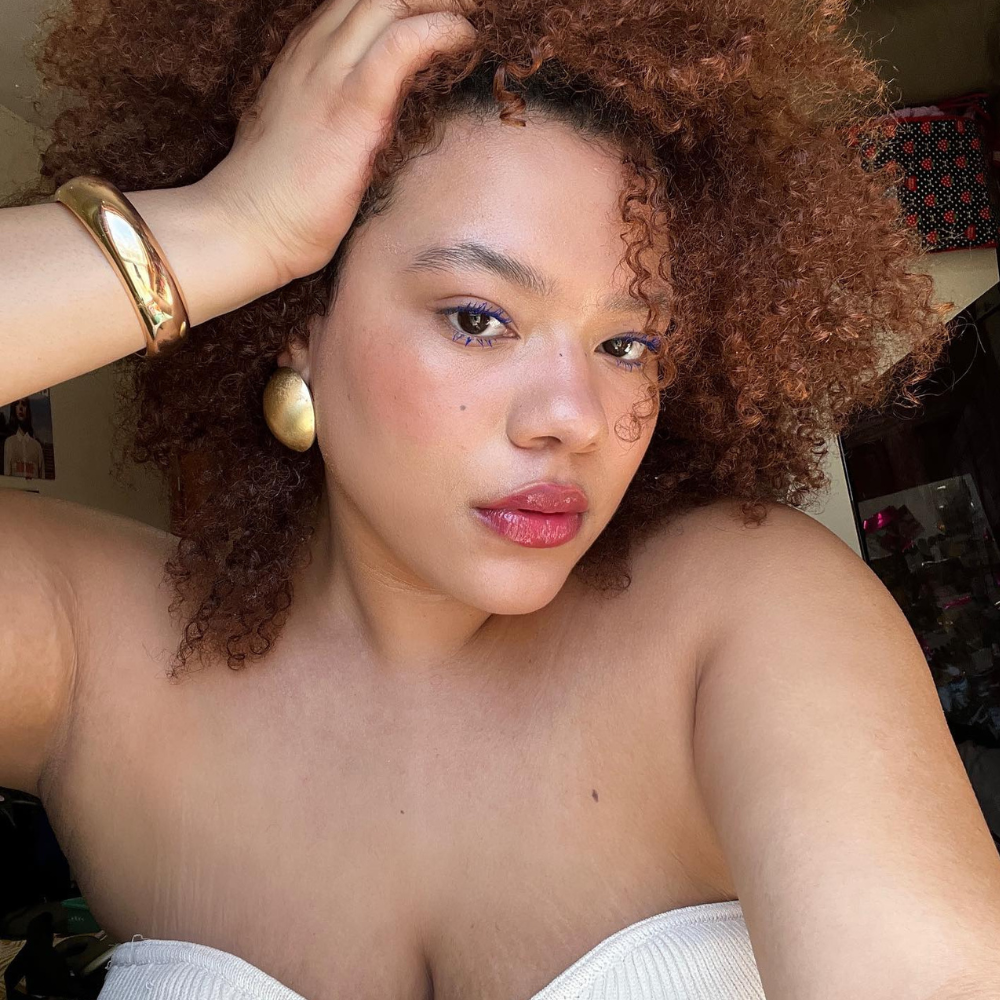
As someone who has curly hair, I know that giving my strands extra TLC isn't a once-in-a-while kind of thing—it's a regular part of my routine, as it is for so many others. As curl specialist and hairstylist Robert Evan Thomas points out, extra hydration and moisture are key because oil gets trapped on the scalp due to the curvature of the curl that doesn't allow it to travel down naturally the way it does with straight hair. This can make the idea of switching up your look using hair dyes a bit daunting.
I remember growing up being told to never put color on my hair because it would damage it. But according to Thomas, it's not always the dye itself that can cause damage; it's the way it's done. "When coloring hair at home or even in the salon, what most people equate to damage is generally caused by overlapping instead of doing touch-ups over new growth, which creates a continual cycle of drying the hair out."
To be clear, that doesn't mean that you don't have to worry about overprocessing your hair. It just means that with a proper routine, damaged hair post-coloring is avoidable. Ahead, learn everything there is to know about how to color your hair safely, according to top curly hair specialists.
What to Do Before Dyeing Your Hair
Always book a consultation.
A consultation is going to be helpful for both you and your stylist for multiple reasons. For starters, it gives your stylists the chance to get to know your hair texture, porosity, and health before creating a color plan, says texture specialist and Schwarzkopf Professional digital artistic team ambassador Brendnetta Ashley. "It’s key to work with a colorist who truly understands textured hair, so they can create a look that not only brings your vision to life but keeps your curls healthy and thriving," she says.
Thomas agrees, noting that from a client perspective, scheduling a consult gives you an opportunity to ask questions and address any concerns. "The focus of color with curly hair created an anxiety, but now you have curl experts who have long-standing histories in knowing what it takes to manage curly hair," he says.
Invest in hair dye that meets your needs.
In general, going lighter may require you or your stylist to strip your natural hair more to get the pigment you want into the hair. However, Ashley notes that curls tend to respond better to gentler options and suggests semi-permanent or demi-permanent dyes since they sit on the surface of the hair rather than penetrating deep into the cuticle. "One of my go-to formulas is Igora Vibrance—it gives beautiful shine and rich tone without the heavy commitment or harsh effects," she says. "It’s a much healthier way to play with color, especially if you want to keep your curls strong and vibrant."
If you're doing your hair at a salon, speak with your stylist about what options are available and discuss the possibility of bringing in your own choice of dye to have them apply to your hair.