I’m in my 40s – here are the best retinol and retinal serums for smoother, firmer skin
Not sure where to start with retinoids? Whether you’ve got sensitive, acne-prone or mature skin, here are our beauty expert’s favourite vitamin A creams for everyone
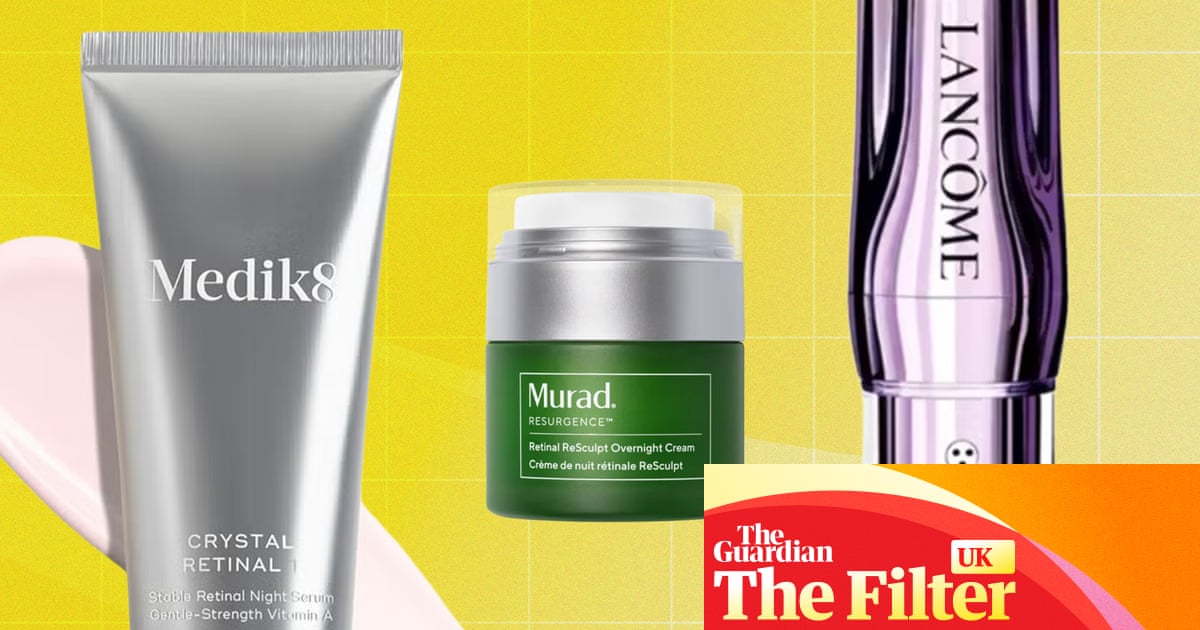
Retinol is the buzziest ingredient in skincare – and for good reason. You’ve almost certainly heard of it, but are you actually using it? Some studies suggest topical retinol can improve the appearance of fine lines and other signs of skin ageing. I’ve been using it to smooth the look of wrinkles and rejuvenate my complexion for years, and here’s why it’s worthy of a place in your routine, too.
Let me first point out that when I say retinol, I’m really talking about a wider family of retinoids – vitamin A derivatives that include retinol itself. Retinol is just one member of the family, but it’s become well known thanks to its widespread use in over-the-counter skincare.
The benefits of retinoids, from accelerating cell turnover to stimulating collagen production, are well evidenced. Tretinoin was first prescribed in the US in the 1970s as an acne treatment, and retinoids soon revealed their potential beyond breakouts, helping to soften the appearance of fine lines and wrinkles, fade pigmentation and smooth skin texture.
However, any changes don’t happen overnight. It can take time to develop a tolerance to retinoids, as side effects such as redness and irritation are common. Over a short period, though, “you can expect to see early improvements in skin texture and brightness within four to six weeks and more significant results around pigmentation, acne or fine lines closer to eight to 12 weeks with consistent use,” says Dr Ahmed El Muntasar, GP and aesthetics doctor. It’s also even more important than usual to use a broad-spectrum face SPF, as retinoids can make skin more sensitive to sunlight.
Why you should trust me
I’m an experienced beauty editor with 17 years as a journalist, so I’ve witnessed the retinoid revolution first-hand – from the early pioneers to today’s more advanced formulas. Pretty much every skincare brand now has at least one retinoid product in its lineup.
Part of my job is to test these products as they launch, so you’d be hard-pressed to find a retinoid I haven’t slathered on my face at some point. And as a fortysomething showing all the natural signs of ageing – fine lines, wrinkles and pigmentation – I’m the ideal test case.
How I tested
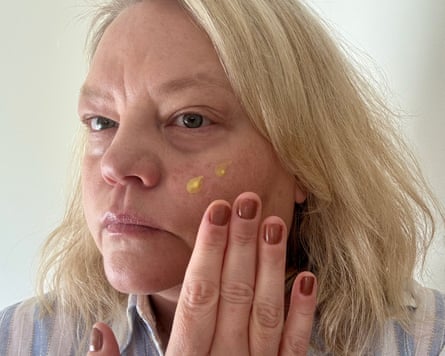
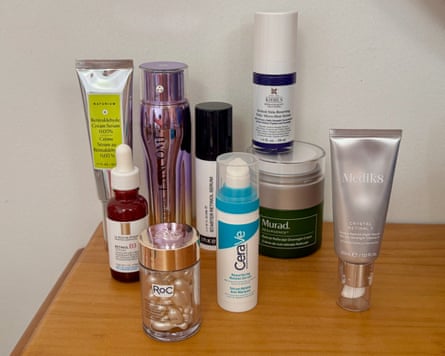
Having carefully considered all the retinol (and retinoid) products I’ve tested over the years, I started by putting together a list of my favourite 15 products. To make the cut, the formula had to be one I’d used until the bottle was empty – or bought again afterwards. For a beauty editor who’s sent skincare to test every day, that’s the real test of a product: whether I’d choose to use it again when I have countless others to try.
I used each product as part of my evening routine for a minimum of eight weeks. As my skin is already accustomed to retinoid use, I could do this without affecting my skin barrier. If you’re new to retinoid use, introduce them into your regime slowly – I really can’t emphasise this enough.
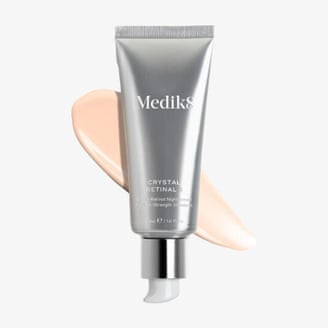
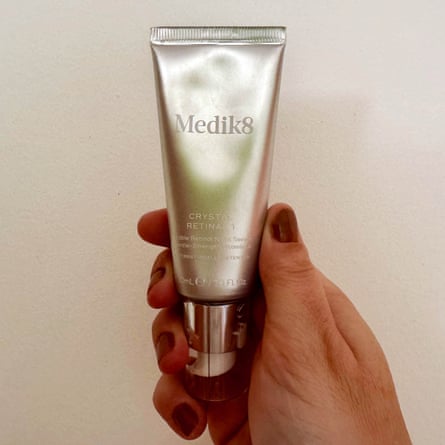
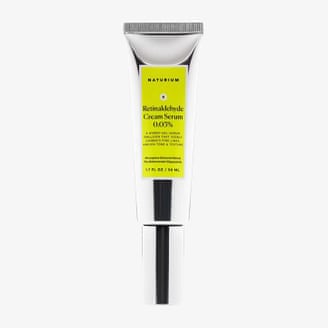
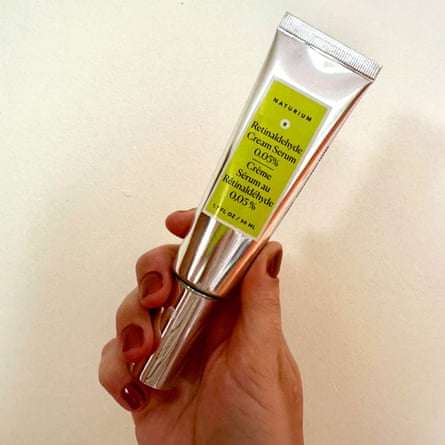
The products were assessed on texture, ease of use, side effects, noticeable skin changes, value and ingredients. Below you’ll find my list of the 10 best performers.
The best retinol and retinal serums in 2026
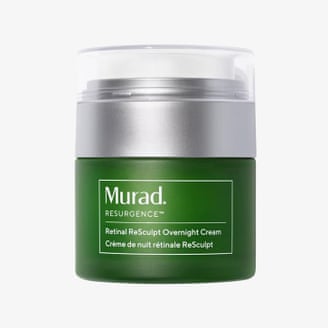
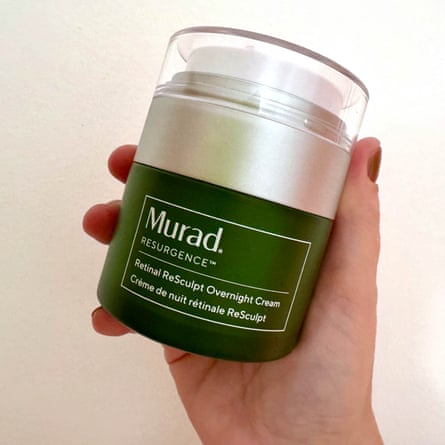
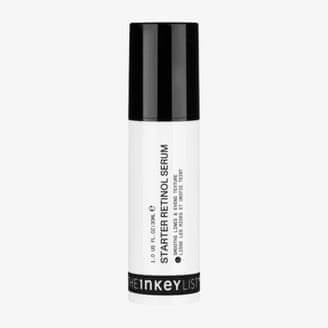
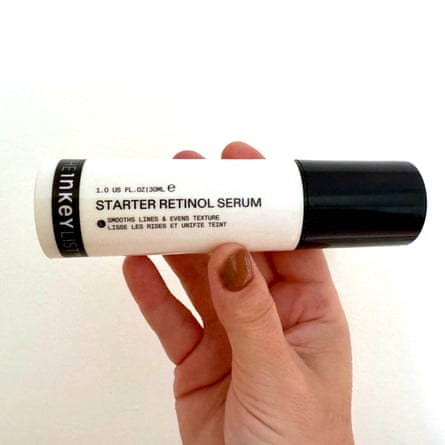
The best of the rest
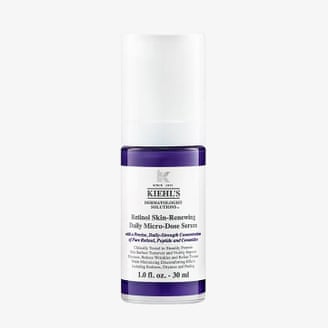
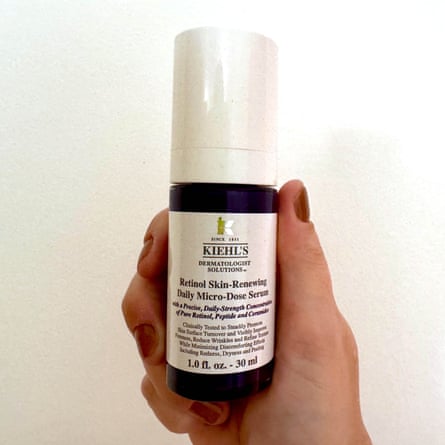
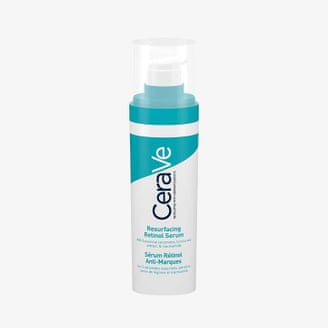
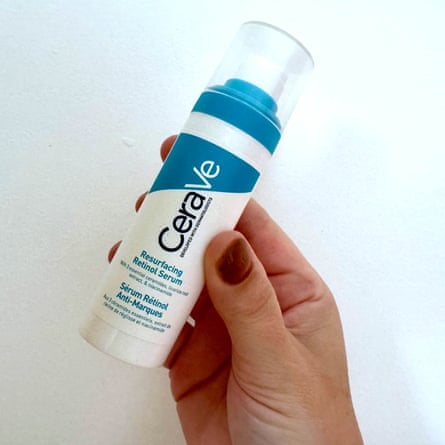
What you need to know
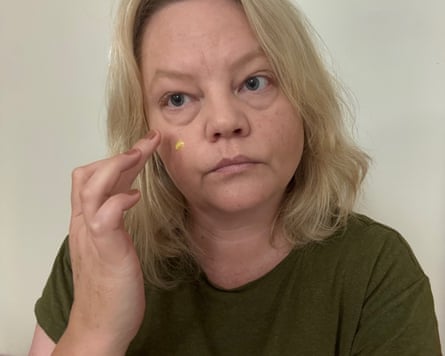
What are the benefits of using retinol serums?
Retinoids, or vitamin A derivatives such as retinol and retinal, are skincare powerhouses backed by scientific evidence that shows they do two clever things.
Firstly, they can speed up the skin’s natural renewal process. “Retinoids help to increase cellular turnover, which naturally slows down as we age,” says El Muntasar. “This means the skin sheds more effectively, revealing newer, fresher skin underneath that looks brighter, more hydrated and even.” They continue to be recommended for those who have acne, as they help unclog pores, reduce inflammation and outbreaks, and fade hyperpigmentation.
Retinoids’ second clever trick is their ability to support collagen and elastin production. As these essential proteins decline, lines, wrinkles and a loss of firmness become more apparent. “They’re not just treating one concern; they’re improving the skin’s underlying structure,” says Dr Sheila Li, founder of Mediject Clinic. “Over time, skin becomes smoother, brighter and more resilient.”
What percentage of retinol is most effective
There is no set answer to this. The most effective percentage is the one your skin can tolerate without disrupting the barrier or needing to stop. All the dermatologists I’ve interviewed advise starting with the “go low and go slow” method.
Starting on a low percentage minimises the risk of dryness, irritation, redness and peeling – all common side effects of using retinoids. This gives your skin time to get used to the active and build up tolerance to it.
“Build tolerance gradually,” says Li. “Apply two or three nights a week at first, and increase slowly.”
How to use retinol serum
Retinoids are best used in your evening routine when your skin naturally goes into repair mode, but also because they can increase photosensitivity. This makes a broad-spectrum SPF an even more essential part of your morning routine.
“I recommend pairing a retinoid with a simple, barrier-supporting moisturiser and avoiding too many active ingredients alongside it, especially in the early stages,” says El Muntasar. “Ingredients such as hyaluronic acid, ceramides and niacinamide help support the skin and reduce irritation.”
I like to layer Aestura’s Atobarrier365 cream on top of any retinol product I’m using. It’s a Korean bestseller that’s packed with skin-strengthening ceramides and keeps skin calm and hydrated.
Why are some retinoids prescription-only?
It all comes down to potency. “Prescription-only retinoids, such as tretinoin and adapalene, work faster and treat more severe skin conditions,” says Dr Leah Totton, medical doctor and cosmetic specialist. “But they also carry a higher risk of irritation, redness and peeling and so require medical supervision for safe use.”
For more:
The best LED face masks – tested
The best cleansers for every skin type
The best eye creams to banish bags, puffiness and fine lines
The best face moisturisers for every budget
Sabine Wiesel is a freelance beauty editor. Having reviewed skincare products for more than 17 years, she sticks to ingredients like retinol that are backed by science. Her job may sound glamorous, but with so many products constantly on the go, you should see the state of her bathroom
Originally published by theguardian.com. Syndicated material does not necessarily reflect the views of GQ British Lifestyle.