
Jane Birkin and the Art of Authenticity

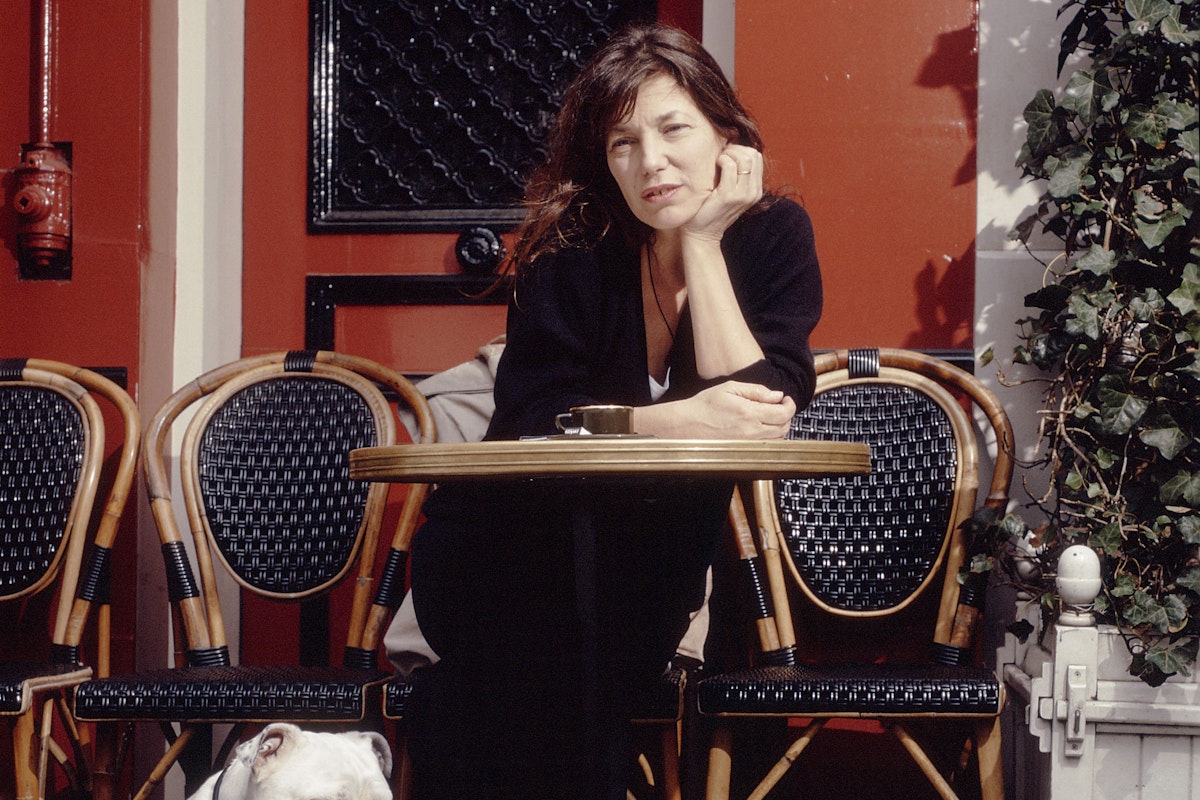
She was refreshingly unique, in a way that’s difficult to approximate today. She did not formulate her image to maximize clicks and likes and engagement.
Yet, however much of Birkin’s success depended on a cocktail of privilege and childhood wounds, she was refreshingly unique, in a way that’s difficult to approximate today. She did not formulate her image to maximize clicks and likes and engagement. She never shaped her persona to game an algorithm. Yes, we see her through the eyes of the men who photographed and wrote for her, and this dynamic was unquestionably exploited behind the scenes. Yet when she looks at us, her gaze still feels relational, intimate, as if she is seeing, responding, engaging with someone, rather than an abstraction of what an audience might want. While the death of the muse and reciprocal rise of the influencer have made certain gains for feminism, there are nevertheless losses in this trade, ones less easily determined than the question of who holds the camera.
Meltzer appropriately captures Birkin’s breezy style, her self-avowed ignorance when it came to the stunts she pulled off as Gainsbourg’s accomplice, bemused by the exclamations over her taste for courting controversy. Of their infamous collaboration “Je t’aime … moi non plus,” in which she unequivocally implies sex through her moaning, Birkin said, “I don’t know what all the fuss was about.… I’m still not sure they know what it means.” When talking about a photo shoot for the men’s magazine Lui, in which she was cuffed to a bed at Gainsbourg’s request, she laughed. “I was very moral,” she said, in response to the backlash. “I didn’t ask for payment or to intervene in the choice of photos that were published. I don’t find naked girls indecent, nor do the gentlemen.”
Of course the lack of self-awareness was necessary for the ploy, for the audience to read her as the ingenuous “woman-child,” as Meltzer puts it. Birkin was rewarded for showcasing her bodily freedom—which demanded genuine daring at the time, in revolt against Dior petticoats and bullet bras—yet could only do so by downplaying her own savvy and experience. Meltzer relates the time when director Jacques Deray (of The Swimming Pool) threw a tantrum when Birkin brought her daughter to the set, whereas, tellingly, the toddlers of her male co-stars were given free rein. She responded by locking herself in the bathroom with her child, refusing to come out until Deray apologized.