
Pope Leo Declares Whose Side He’s On—and It’s Not JD Vance’s

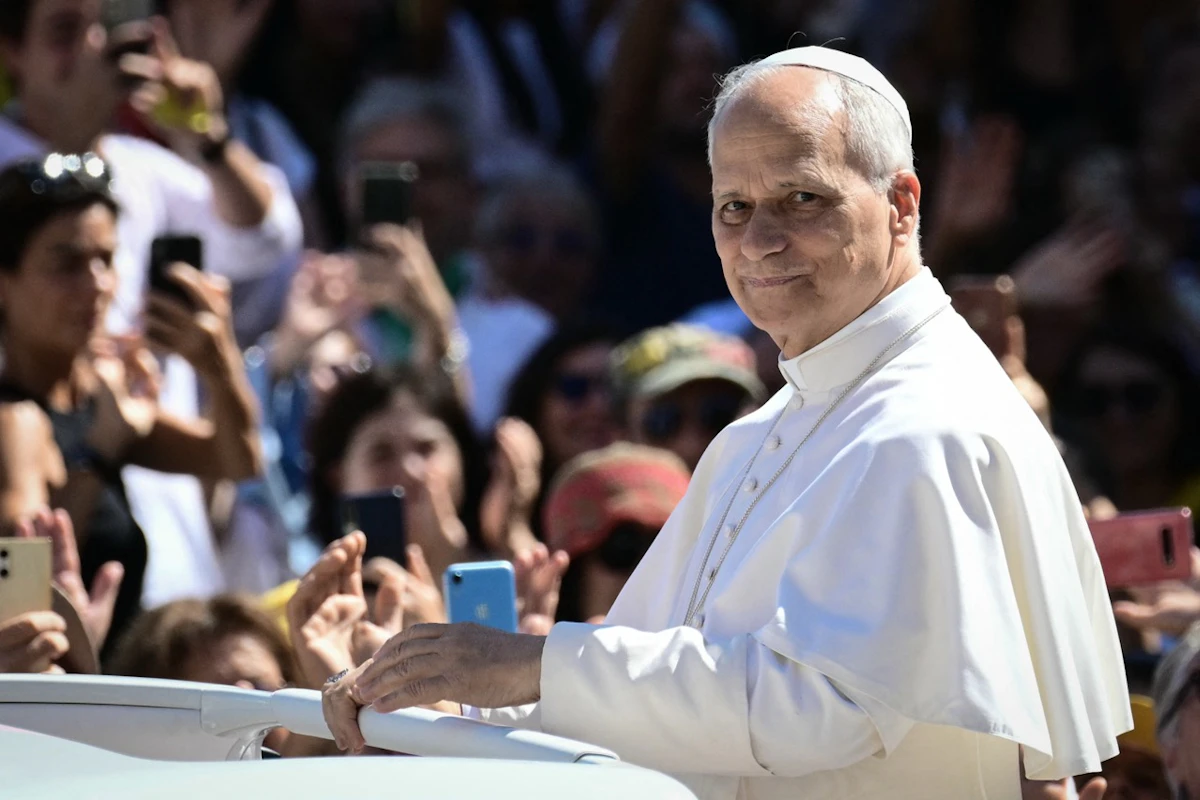
Pope Leo XIV last week released his first apostolic exhortation, Dilexi Te, and the message from the first American-born pontiff seems certain to rile conservatives in the United States. The first section, titled “A Few Essential Words,” declares, “Love for the Lord, then, is one with love for the poor … contact with those who are lowly and powerless is a fundamental way of encountering the Lord of history. In the poor, he continues to speak to us.” The teaching document also shames those who would blame the poor for their situations, saying those who do so reveal “their own blindness and cruelty.” Finally, in its closing sections, the document looks beyond economic poverty, stating, “By her very nature the Church is in solidarity with the poor, the excluded, the marginalized and all those considered the outcast of society.”
It is inarguable that in these theological and ethical arguments, Pope Leo, who was naturalized as Peruvian citizen in 2015, owes more to his Latin American ties than anything else. ForDilexi Te (“I have loved you”) marks the triumph of Liberation Theology, once derided and maligned by the Western Catholic establishment, as now a central part of papal teaching. The exhortation should also serve as a warning to politically conservative American Catholics, including Vice President JD Vance, about how far out of step they are with the global mood and direction of their church. In this sense, Dilexi Te is the most official reminder yet of the growing divide within American Catholicism, a divide intensified by the moral and political pressures of President Trump’s America. This outcome of this struggle has implications not only for the Catholic faithful but American democracy itself.