
Somebody Call 2014—This
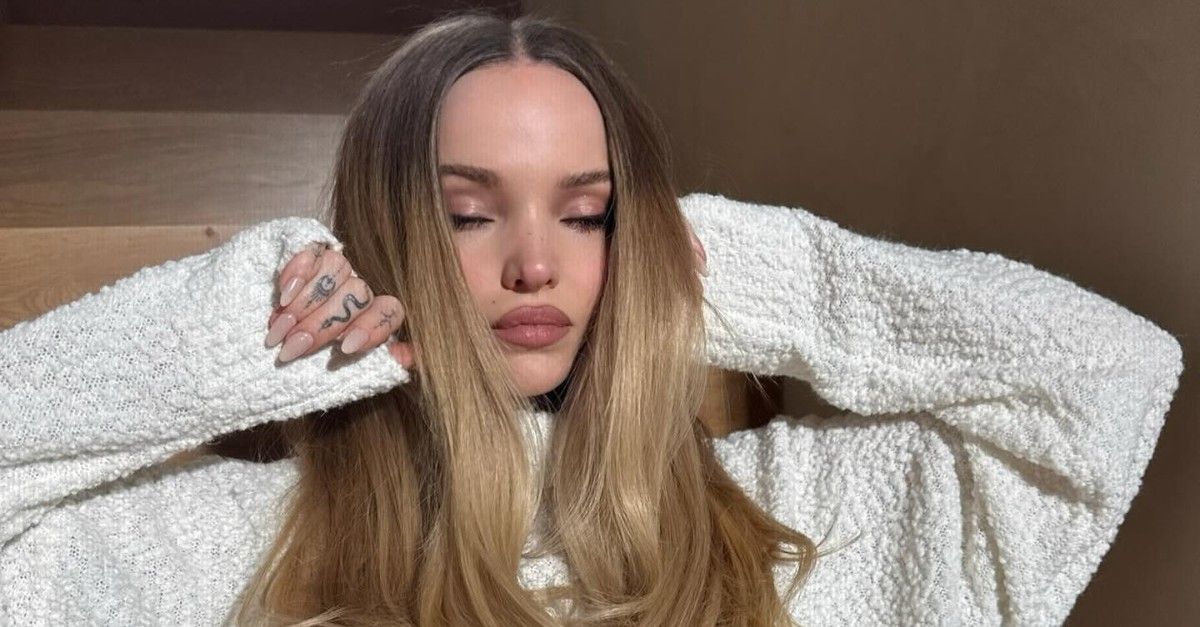
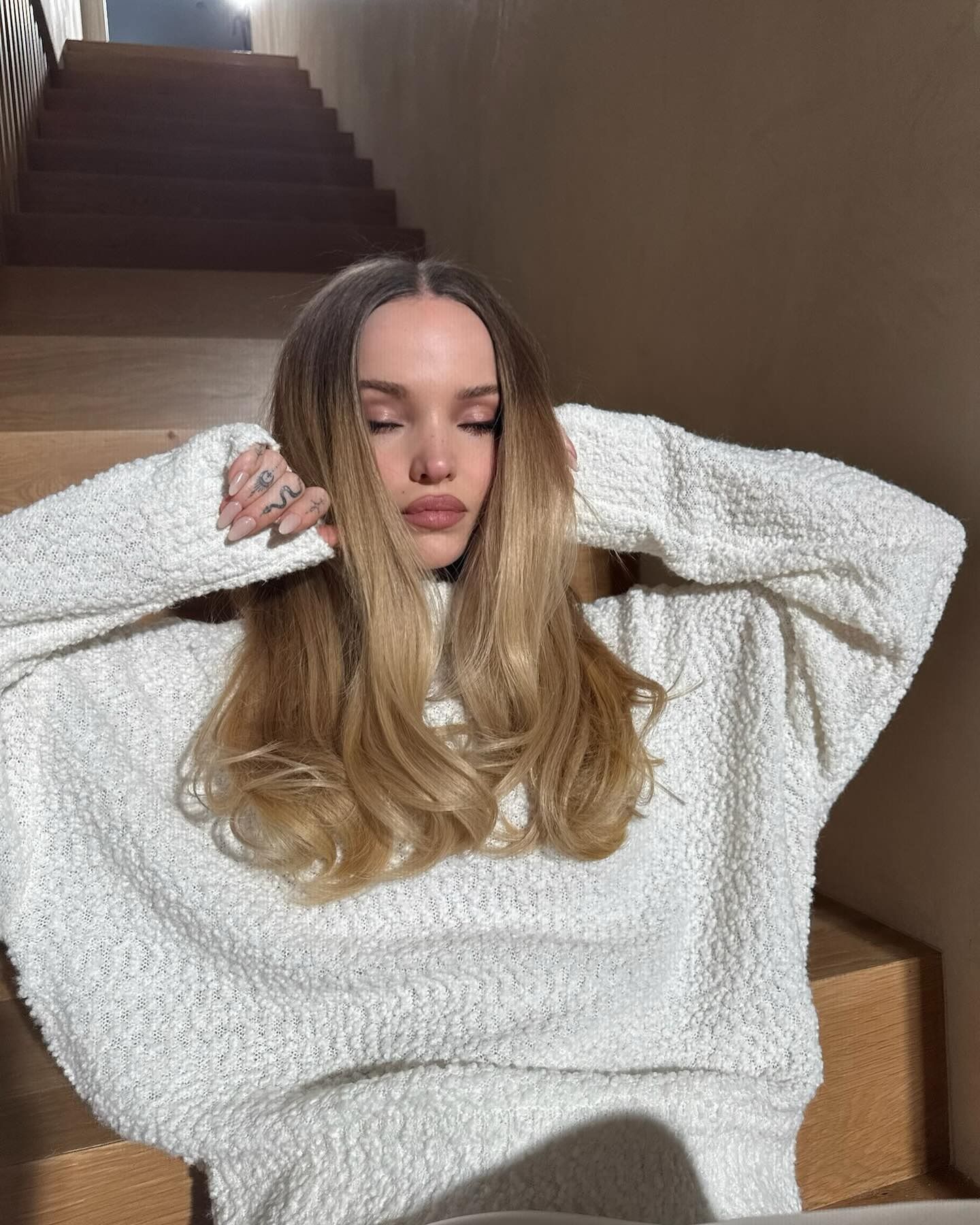
Another day, another nostalgic beauty trend making waves in the zeitgeist. And just like past looks that have received an updated, 2025 spin (Pencil-thin brows! Blue eye shadow! Chunky highlights!), this one has received quite the fuss online. Get ready to revamp your Tumblr and blast My Chemical Romance—ombré hair is poised to make a major comeback this spring as one of the biggest hair trends of 2025.
If you immediately cringed at the thought of reverting to those angsty, dip-dyed tips, I hear you. I was a little hesitant myself after seeing hairstylist and trend forecaster Tom Smith predict ombré hair's imminent revival, but after speaking with Smith about the trend, including his tips on how to make it chic, not "cheugy," I'm fully on board. Allow me to (re)introduce you to ombré hair, spring 2025's version.
When did ombré hair become popular?
Let's cut to 10 to 15 years ago, when a soft-grunge aesthetic was all the rage. Chances are you reblogged more than a few dip-dye hair looks to your Tumblr. (No? Just me?) "There was definitely that grunge, punk influence in it," Smith says of ombré's origins. "We saw really striking bleached ends, bright-red ends… It was definitely for the person that wanted to be bold and make a statement."
This high-contrast look became a bit softer over time as celebrities started taking part (Smith credits Khloé Kardashian for ramping up its popularity), and dip dye officially evolved into ombré. " the commercialisation of that grunginess, where the fade from one shade to another became more gradual," Smith says. "So even if the roots are very dark and the ends are very light, the fade was more gradual, and this is more of what we're seeing now." Only today, the contrast has become even softer.
What's the difference between ombré and balayage?
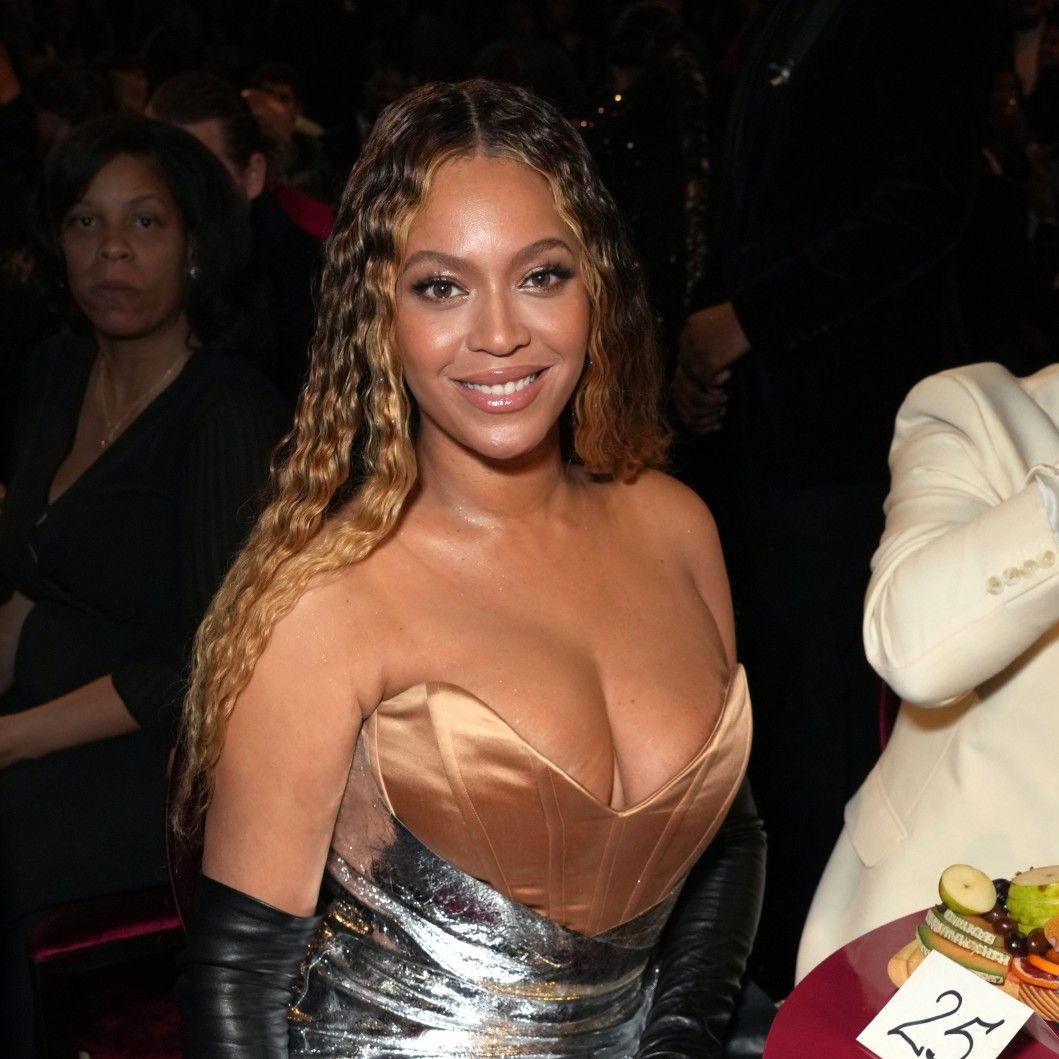
A little housekeeping before we proceed: Ombré hair is not synonymous with balayage. They're intertwined, yes, but they're not interchangeable. To put it simply, ombré hair is a look that involves fading from one shade to another. "All of the roots are one colour, all of the ends are another colour, and there's a transition in between," Smith explains.
Balayage, on the other hand, is a colouring technique, not a look in and of itself. "It's the idea of painting colour in a sweeping motion on the hair that blends at the beginning," Smith adds. (The word balayage comes from the French term meaning "to sweep.") "The overall look might be lighter on the ends than it is at the roots, but there's that definition of highlights—some that go higher, some that go lower," Smith shares. So balayage does involve a gradual fade, but it doesn't have to be concentrated at just the ends. In short, "Balayage is a technique. Ombré is a look," declares Smith.
Why is ombré hair trending right now?
There are a few factors at play, according to Smith. First up: the maintenance—or, well, lack thereof. See, the most successful hair trends solve a problem, and ombré hair, with its fade line near the ends, eliminates the need for regular root touch-ups. "That client isn't going to have to redo their hair in any amount of weeks. It's really just about redoing it when they want to, rather than feeling that they have to," Smith says.