
The Surprisingly Convincing Case Against Cars

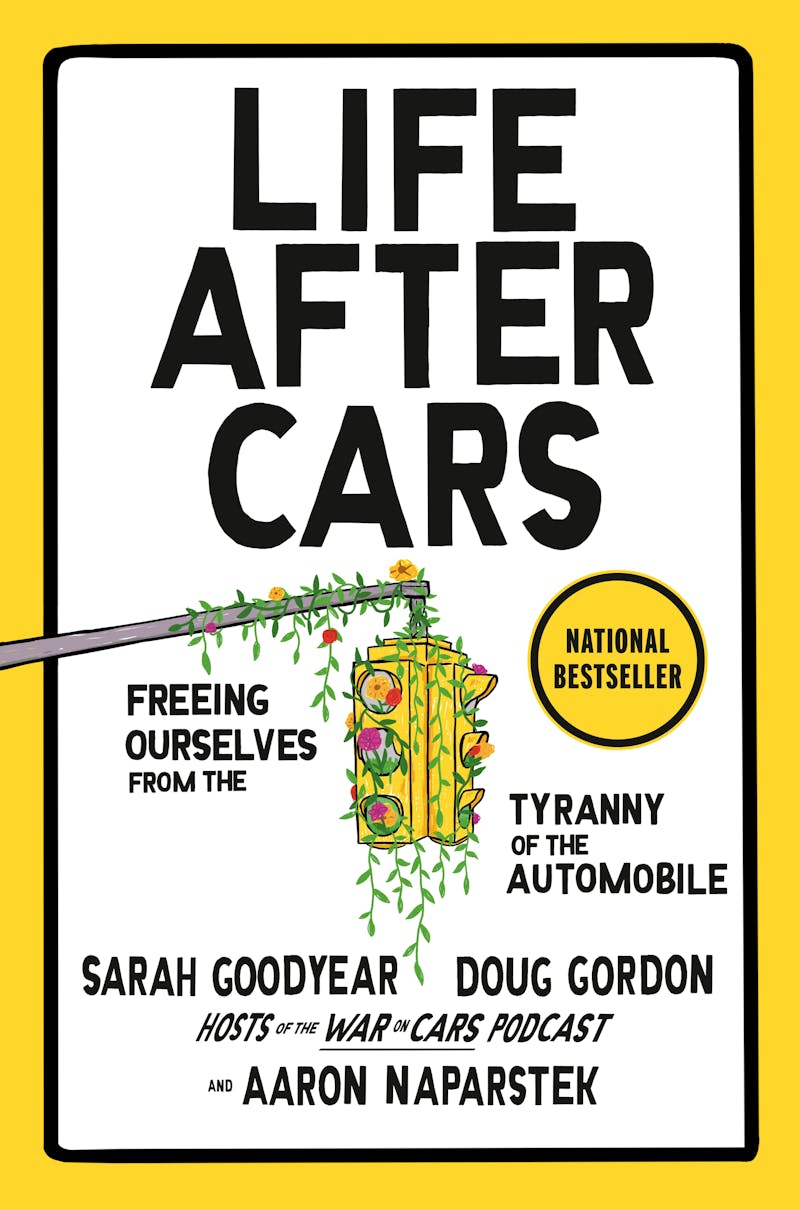
Sarah Goodyear, Doug Gordon, and Aaron Naparstek, authors of Life After Cars: Freeing Ourselves from the Tyranny of the Automobile, certainly think so. Goodyear and Gordon host the podcast The War on Cars and Naperstek is a former co-host. They are winningly self-aware about the optics of a trio of podcast hosts from Park Slope, Brooklyn, lecturing middle America on the evils of personal car ownership. Accordingly, Life After Cars seeks to appeal to a wide swathe of readers, from public transit nerds to the congenitally bike lane–averse. The authors marshal a compelling blend of history, statistics, and anecdote in support of a quietly radical argument: that mass car ownership, far from natural and inevitable, is a historical blip that can and should be reversed. They are quick to make some exceptions: emergency workers, residents of rural areas, and people with mobility disabilities, among others, have good reasons for driving. Their lives would be easier if everyone else got off the road.
The authors begin their chronicle of car culture’s ills in 1899, when a man named Henry Bliss stepped into the path of an oncoming taxi, becoming the first victim of a car crash in the United States. The advent of mass automobility in the 1920s generated fierce backlash from citizens outraged by the number of people being killed by cars. Just as cities were on the brink of regulating the automotive menace, however, the auto industry stepped in. Industry allies persuaded voters to reject proposed speed ordinances that would have significantly reduced the chance of dying from being hit by a car. Local governments reinforced the message that wayward pedestrians, not cars, bore the blame for collisions. In the postwar period, the Eisenhower administration subsidized the construction of the U.S. Interstate Highway System, creating endless suburban developments that took car ownership as a given.
As a result, the authors argue, we have accepted the massive costs of car dependency rather than questioning a way of life centered around personal vehicles. Some of these costs are obvious. Cars kill 40,000 people a year on American roads, a toll so ingrained that other risks—the chance of being a victim of gun violence or an opioid overdose—are assessed relative to your chances of being killed in a car crash (one in 95 over a lifetime). Some are borne by animals, not people. Advocates have successfully campaigned for wildlife crossings, concrete corridors that help animals safely navigate deadly highways. But there is no feel-good solution for the toxic chemicals that leach from tires into bodies of water, poisoning fish and disrupting fragile ecosystems. Equally insidious is the hollowing out of social space as people retreat into cars that resemble armored vehicles, shuttling in isolation between home, work, and soccer practice.