

This simple map can help New Yorkers in need find food
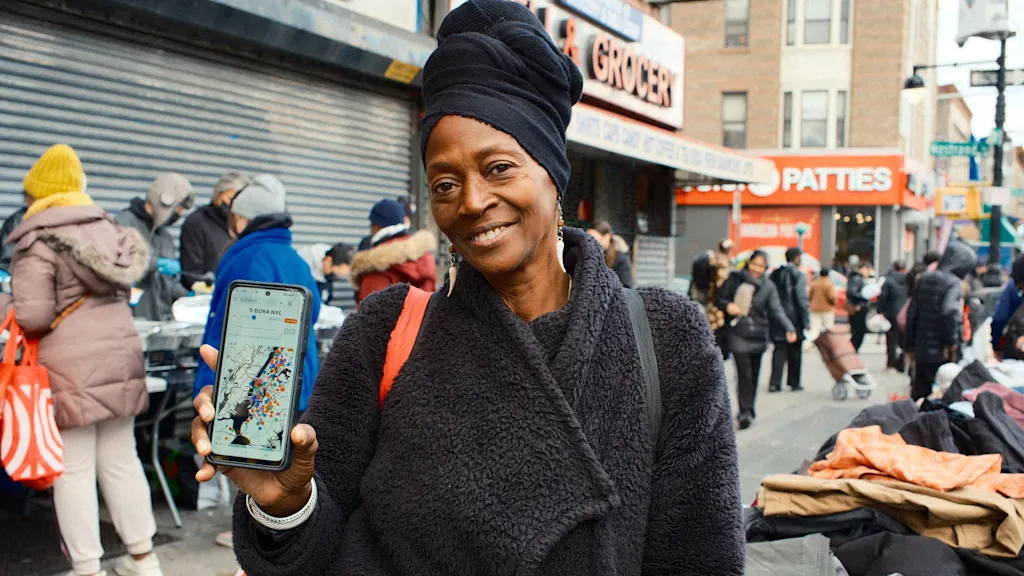
As a community organizer in New York City, Sharifa Khan spends a lot of time visiting food distribution hubs, community gardens, and local shelters. While speaking with community members, she often encounters the same issue: people want to get involved in volunteering, but they’re not sure where to start. So, Khan decided to make a tool to address that—and it couldn’t have come at a more important moment.
Dora.nyc, short for Directory of Resources & Aid, is a new website dedicated to compiling New York City’s mutual aid offerings into one easy-to-understand resource. It’s designed both for those seeking aid—like food, housing, and immigration services—as well as those looking for places to offer help.
The website was created through a collaboration between Khan, who runs an organization called Hope Altars; Cornell PhD student Johan Michalove, who builds digital mutual aid tools through a project called Mutua; and the NYC Resource Library, which compiles lists of local mutual aid resources.
The website comes as the government shutdown has led to a pause in the SNAP food aid program, which provides food stamps to about one in eight Americans. This month, millions of low-income Americans have been left without the full benefits that usually help them afford basic necessities. Now that the shutdown has ended, SNAP funding is set to resume, although it’s still unclear how quickly recipients will receive their benefits.
Dora.nyc offers New Yorkers a clearer picture of where aid is available—and, Khan and Michalove say, it’s a concept that they think other urban areas could replicate.
How to use dora.nyc
The dora.nyc page’s UI, designed by Michalove, is organized under two main categories: space and time.
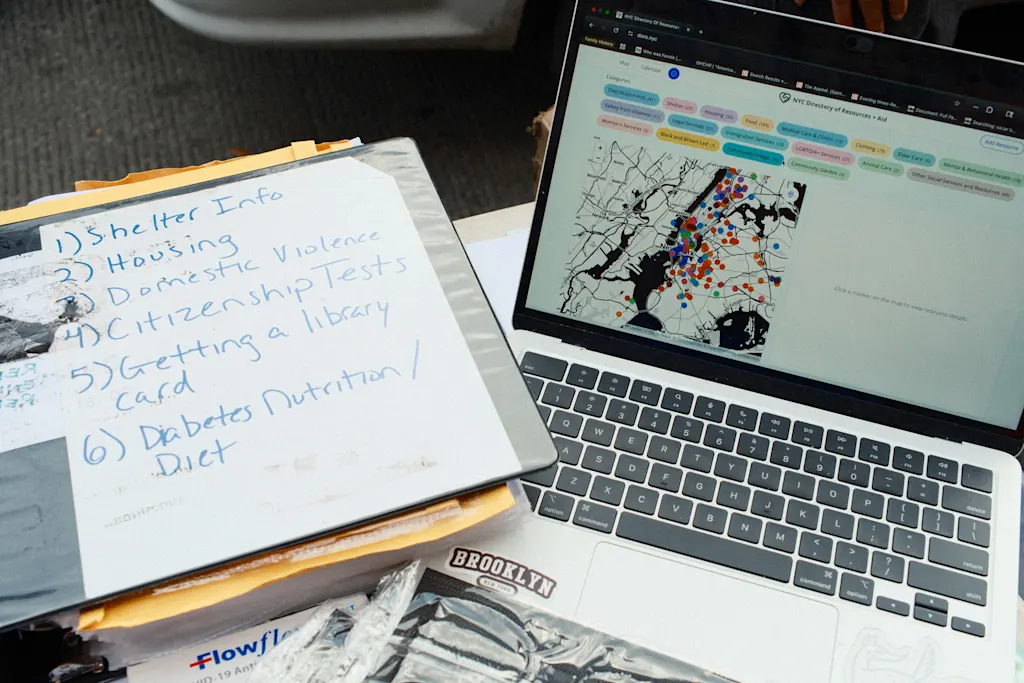
On the top of the site is a map of NYC’s five boroughs with markers for resources across the city. “Resources,” in this case, are defined as any kind of aid with a permanent presence in the area. These markers are color-coded by category, like distribution hub, shelter, housing, elder care, community fridge, and more. Users can navigate the map by region and click on any of the markers to learn more about the associated resource.
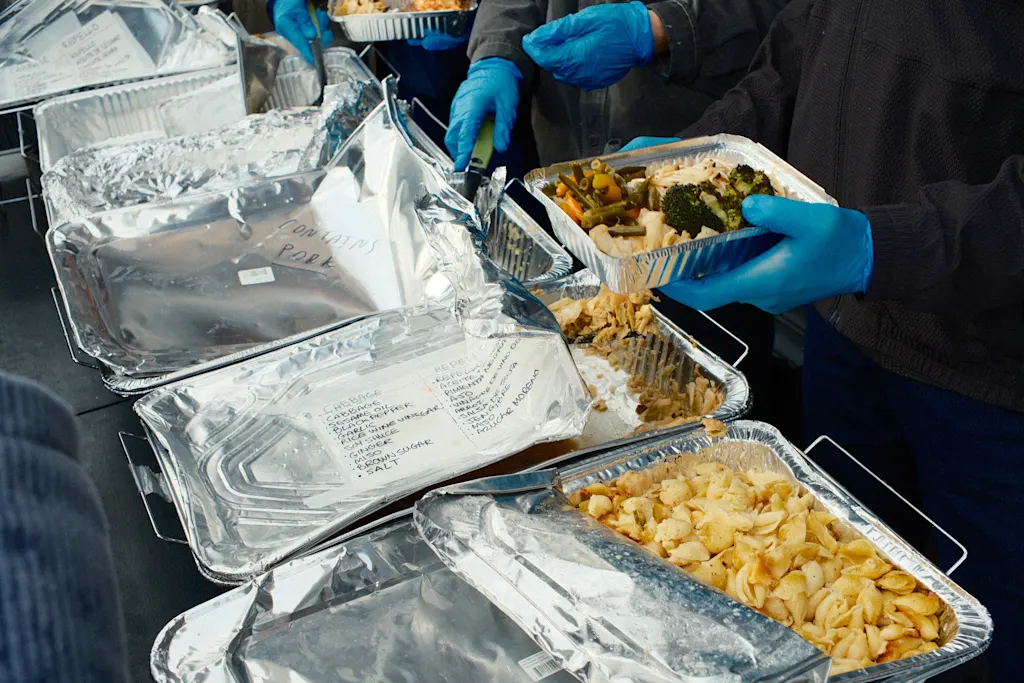
The bottom half of the map is a calendar, organized Monday through Friday, that lists food distribution events by place and time. This part of the website includes recurring food distribution events, but can also feature one-off pop-ups or services that take place on an irregular schedule.
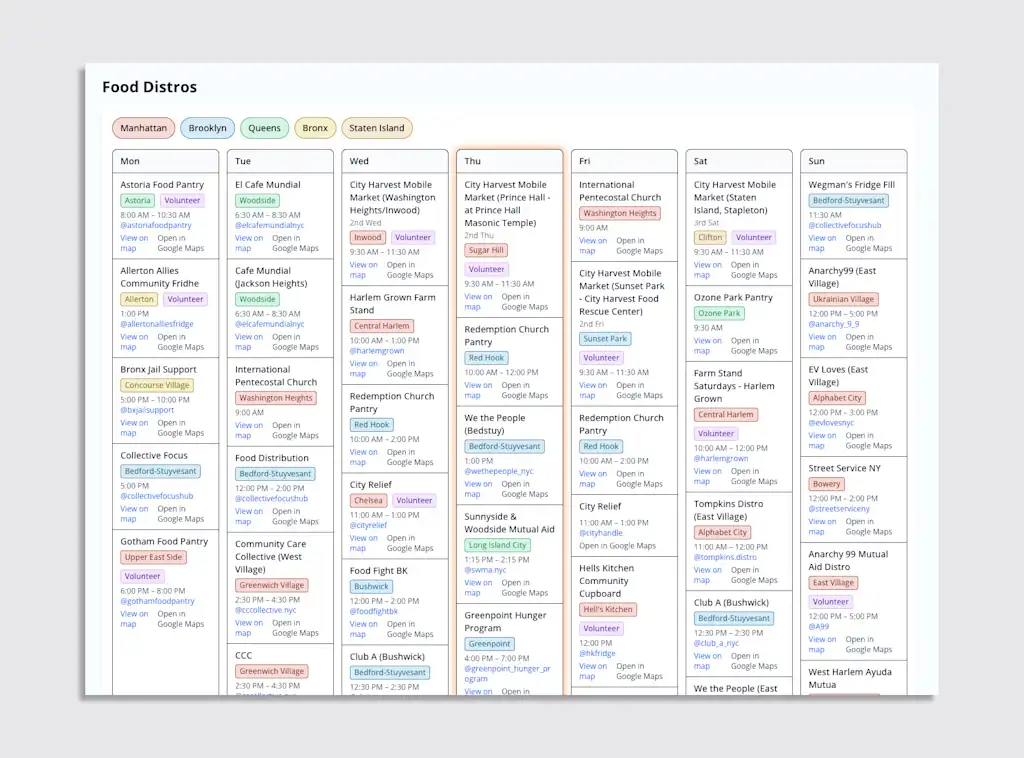
Like the map, the calendar section is color-coded by region, and users can filter it by their local borough. Michalove also added an AI-powered search feature that lets users enter queries in plain language, like, “Where is there food near me” or “Where can I find a shelter in Brooklyn,” to easily find resources that match their needs. Anyone who would like to add a new resource or food distribution time to the website can do so via a set of forms in the top right of the site, which are individually vetted by Khan.
“When you’re already stressed about needing access to food, and there’s the added stress of figuring out where to go, this can alleviate that one factor,” Khan says. “That is actually something someone mentioned to me directly. They said, ‘When I was struggling to find distro sites, I wish this tool existed.’”
Dora.nyc’s premise may seem simple, but the website’s genius is its ability to condense information that’s historically been shared more disparately.
Why dora.nyc’s premise makes so much sense
Khan and Michalove have been working on dora.nyc since the summer, but sped up their development process when they heard the news of the SNAP shutdown. The idea initially came when Khan realized that information about food distribution and other mutual aid events was primarily being shared through social media posts or WhatsApp group chats—spaces that some community members, especially older folks, might not have access to.
“I think a lot of times, we assume that everyone has the autonomy to put those pieces together,” Khan says. “That really does neglect a ton of factors that people are facing on a personal basis, like socioeconomic factors that are impacting their capability to go out there and find places to volunteer, for example.”
Khan and Michalove pooled both her experience in community organizing and an existing list of resources from NYC Resource Library to build dora.nyc’s foundational database. Eventually, Khan says, she hopes to use dora.nyc to help different shelters across the city share resources among themselves—like, for example, if one food distribution site ends up with extra food items, those might more easily be sent to another site in need.
So far, Khan has already heard from one site that a visitor found them through the dora.nyc map. She’s also helped several older community members, who may not have access to social media sites like Instagram, to add dora.nyc to their bookmarked websites. “I’ve shown aunties, specifically my Caribbean aunties, how to use it, and you can see the delight on their faces,” Khan says.
Michalove and Khan agree that the model could be replicated in other cities, if local community organizers can establish an adequate vetting process for proposed sites.
“When you make the goodwill visible, it gives people a direction toward how they can organize and help, because they see, ‘Oh, there are so many community fridges, maybe I could add one to my neighborhood or do a distro where I’m located.’ It gives people more of a focus toward how they can contribute.”
