
This 'Twilight Zone' Masterpiece Is Rod Serling's Most Personally Tragic Episode
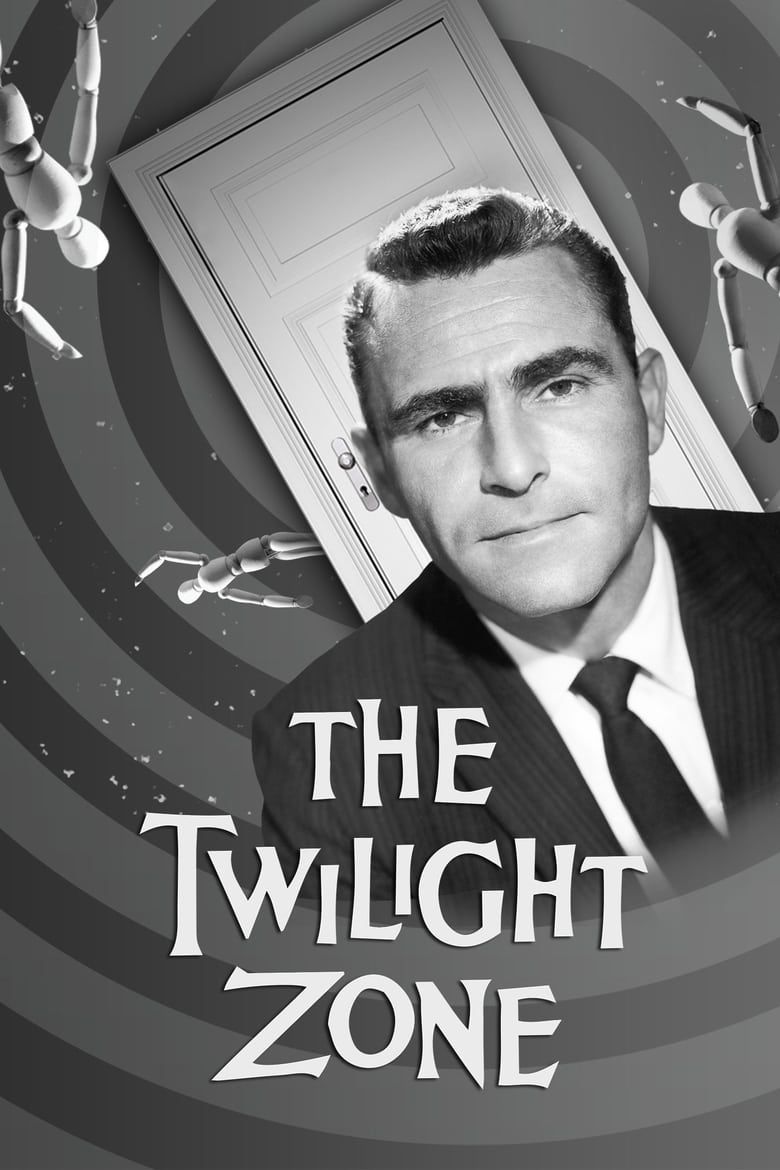
Asking anyone to name their favorite episode of The Twilight Zonefeels almost as impossible as a camera that can show you the future. Rod Serling's seminal series is simply so vast and varied, encompassing not only the prevalent social issues of its time but also wild sci-fi premises, deals with multiple devils, and apocalyptic predictions filled with devastating twists. Sure, the show has no small number of iconic episodes, but a side effect of a diverse anthology is an audience with equally diverse reactions to what they're seeing. As for Serling himself, the founder of the fifth dimension has admitted that "The Invaders" and "Time Enough At Last" are listed among his favorite entries, but with the benefit of time and hindsight, it's clear that an even earlier episode of The Twilight Zone meant more to Serling than most.
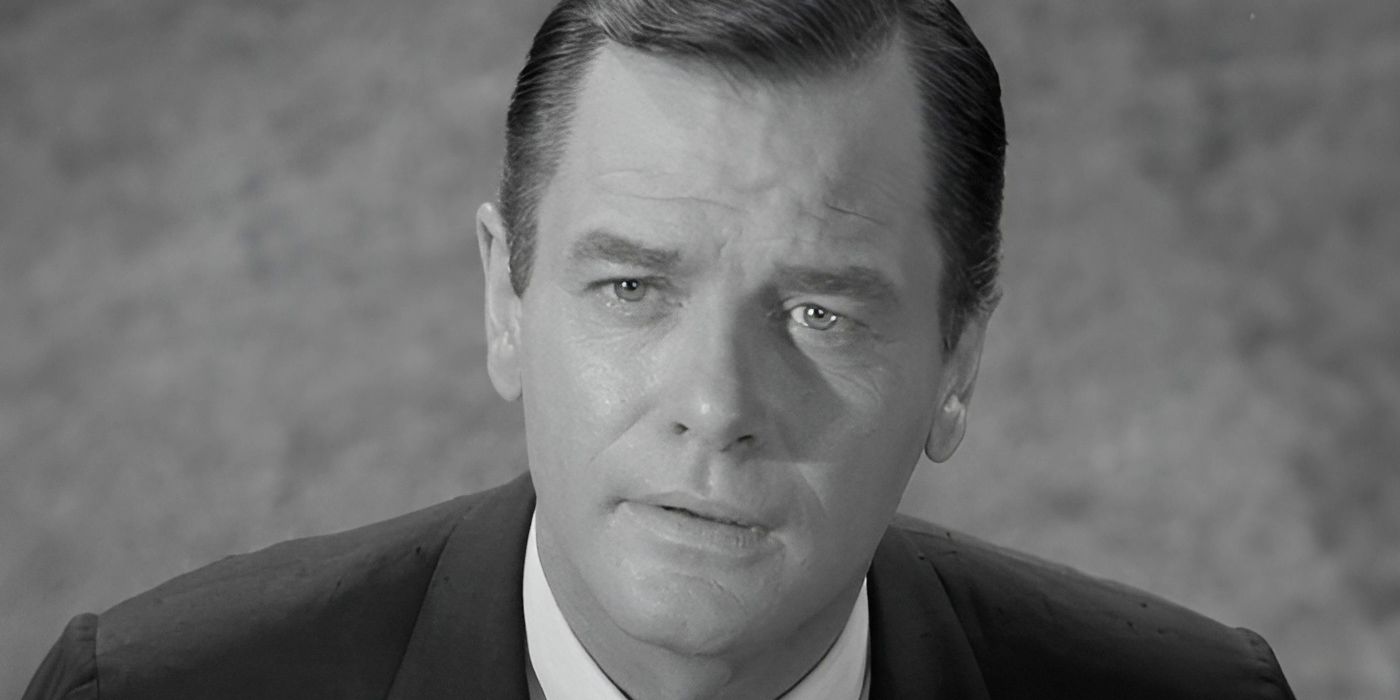
Released on CBS in 1959 along with the rest of The Twilight Zone's first batch of episodes, Season 1, Episode 5, "Walking Distance" is a literal nostalgia trip that explores one man's yearning for his idyllic past. Unique among The Twilight Zone's groundbreaking pantheon of stories for its grounded premise and simple magic, the episode revolves around Martin Sloan (Gig Young), a corporate vice president in New York and the kind of man dissatisfied with his life enough to honk at a gas station attendant. When Martin takes a break from his long drive away from the city to refuel, he surprisingly finds himself a walking distance away from his hometown, deciding to chance a visit for the first time in twenty years, in what ultimately amounts to the most personally relatable episode in the entire series.
“Walking Distance” Is an Ode to Childhood Nostalgia in ‘The Twilight Zone’
What's remarkable about this early entry in the series is its lack of so many of the trademarks typically associated with The Twilight Zone. There are no huge, subversive revelations in "Walking Distance," no disturbing dolls or living puppets, just one man's yearning to relive the past and a simple moral. What begins as Martin's desire to check out his old stomping grounds soon evolves into a fixation when he realizes his hometown literally hasn't changed at all. Rather than a home visit, he has stumbled right back to where his childhood left off, somehow time-traveling twenty years into a past filled with the sounds of a halcyon summer. Martin's overbearing desire to re-immerse himself in the artifacts of his past ultimately leads to him accidentally injuring his younger self. However, leading to the begrudging realization that he needs to leave the past in the past and return to his own adult present.
This lesson about moving forward in life is a common one championed in countless pieces of media, and that alone is not what makes "Walking Distance" so memorable. Rather, the sheer sense of yearning that this episode manges to capture transforms its simple premise into a sensitive walk down memory lane, a personal quest to reclaim the carefree joy of childhood whose urgency bleeds through the screen. Even if Serling later used this installment to critique his own writing, "Walking Distance" undoubtedly succeeds in communicating the basic human desire to go back to what most of us wish we had never left in the first place.
Related
10 Best 'The Twilight Zone' Quotes, Ranked
"I'm a human being, I exist."
“Walking Distance” Held a Special Significance for 'The Twilight Zone's Rod Serling
All that said, ice cream sodas, old-fashioned car models, and cotton candy are far from the only things Martin Sloan finds when he returns home. The most gut-wrenching moments in the episode are those in which Martin desperately interacts with the younger versions of his parents. His shock upon seeing them—his mother in particular—strongly implies that one or both are dead in the present, underpinning "Walking Distance" with a subtle tinge of grief that deepens the meaning of every scene. In reality, one of Serling's daughters, Jodi, has since revealed that this plotline held a deep personal meaning for her father as well, as Rod Serling's own father passed away while he was serving in World War II, and he wasn't able to visit his own hometown in time to see him one last time.
"Walking Distance" channels Serling's longing for one last conversation with his father, adding another layer to the final scene between Martin and his father (Frank Overton) and demonstrating how art can be used to process loss. In a broader sense, the episode is also one of his daughters' favorites because it borrows heavily from Serling's own fixation with nostalgia, inspired by his own annual trips back to his hometown of Binghamton and the places he visited in order to recapture the feelings of his youth. Not only does this context solidify "Walking Distance" as one of the most personally meaningful entries in The Twilight Zone, but it also illustrates why the episode still resonates so strongly with viewers over fifty years later.
All episodes of The Twilight Zone are available to stream on Paramount+ in the U.S.
Release Date
1959 - 1964
Network
CBS
Directors
John Brahm, Buzz Kulik, Douglas Heyes, Lamont Johnson, Richard L. Bare, James Sheldon, Richard Donner, Don Medford, Montgomery Pittman, Abner Biberman, Alan Crosland, Jr., Alvin Ganzer, Elliot Silverstein, Jack Smight, Joseph M. Newman, Ted Post, William Claxton, Jus Addiss, Mitchell Leisen, Perry Lafferty, Robert Florey, Robert Parrish, Ron Winston, Stuart Rosenberg
Writers
Charles Beaumont, Richard Matheson, Earl Hamner, Jr., George Clayton Johnson, Jerry Sohl, Henry Slesar, Martin Goldsmith, Anthony Wilson, Bernard C. Schoenfeld, Bill Idelson, E. Jack Neuman, Jerome Bixby, Jerry McNeely, John Collier, John Furia, Jr., John Tomerlin, Lucille Fletcher, Ray Bradbury, Reginald Rose, Sam Rolfe, Adele T. Strassfield