
Treating Bacne: Your 3-Step Guid
Let’s face it, treating bacne as a teen or as an adult is no fun. Acne doesn’t just affect our face; body acne is also really common. One of the most common forms of body acne forms on your back and is called ‘bacne’. In this post, we’re going to break down exactly what bacne is and how you can get rid of it in 3 simple steps for treating bacne.
WHAT IS BACNE?
Simply put, bacne is the acne that forms on your upper back. The upper back carries a lot more oil glands than other parts of the body, so it’s easy for acne to form there. Acne on your back and shoulders can be caused by numerous things, including hormones, bacteria, stress, and even your clothing.
Much like facial acne, bacne shows up as small bumps that form under the skin called papules. Bacne may also look like pustules(pimples) or cysts, whiteheads, or blackheads. Bacne can be more severe on your back because of the friction from your clothes.
How do you get bacne? While everyone’s skin is different, and not everything will set off the same people, there are a few places to trace bacne to. Tight clothing where friction and sweat may occur can easily set off bacne. Bacteria, hormones, and genetics also have a part in causing bacne.
Next, we’re going to get into some easy tips for treating bacne.
Treating Bacne: 3-Step Guide
We want to be transparent with you about how we make money. This website uses affiliate links. This means that if you click on an affiliate link and make a purchase, we may receive a commission from the retailer. This commission comes at no additional cost to you
- Change Your Sheets– One of the most common causes of bacne is hygiene. Whether on your face or body, you want to make sure you’re using clean towels and washcloths on your face and body. Our bed linens, particularly our pillowcases, hold tons of sweat and dead skin cells, which can clog your pores. Make sure you change your sheets at least once a week.
- Exfoliate Your Skin– Exfoliating is necessary in your skincare routine, so for bacne, try using exfoliating gloves while you shower. Exfoliating gloves gently slough away dead skin, leaving the skin smooth. Use the gloves with a gentle liquid cleanser that won’t irritate the skin. We’ll give you some body wash recommendations in the next section.
- Schedule An Appointment with an Esthetician– A licensed esthetician can not only treat your bacne, but they can help give you a plan and tips for your at-home care. Estheticians are trained to treat specific skin concerns, so seeking their help will be beneficial in managing your bacne.
If you want to try specific products to help prevent or treat bacne, try these five products:
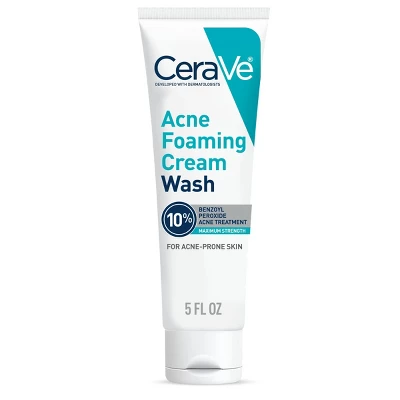
Please note that this product does have 10% Benzoyl Peroxide.
Buy Now
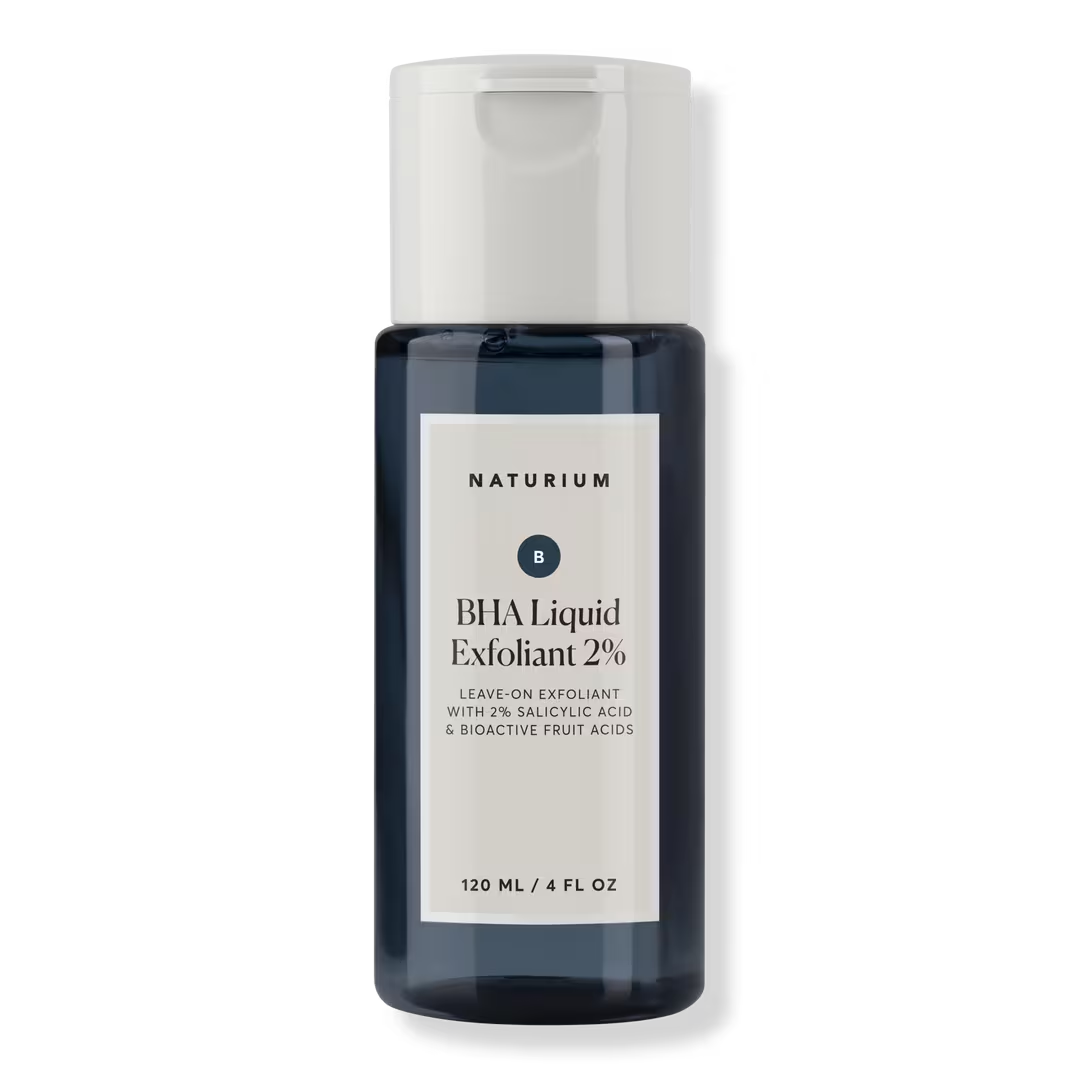
Apply this product with a cotton round for best results.
Buy Now
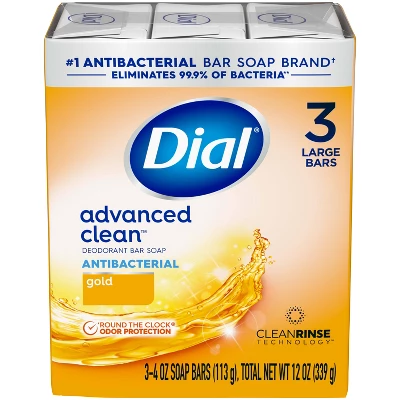
Photo Credit:www.target.com
An antibacterial soap is always a good option, but note that this will help dry out your skin to prevent bacne. You may need to moisturize after this.
Buy Now
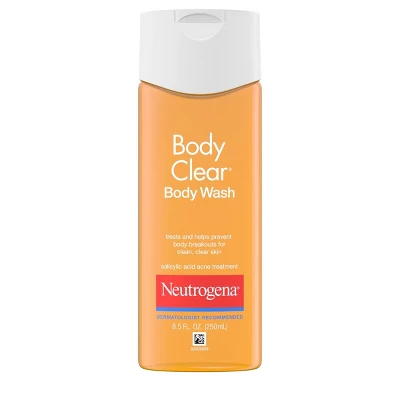
Photo Credit:www.target.com
This body wash has salicylic acid, which is good for breakouts.
Buy Now
Photo Credit:www.target.com
To finish it all off, this spray helps prevent acne and it great for hard to reach areas, like your back.
Buy Now
Remember that everyone’s skin reacts differently and will respond to different products. If your bacne is severe and nothing seems to be doing the trick, visiting a dermatologist or esthetician is always the best option.


