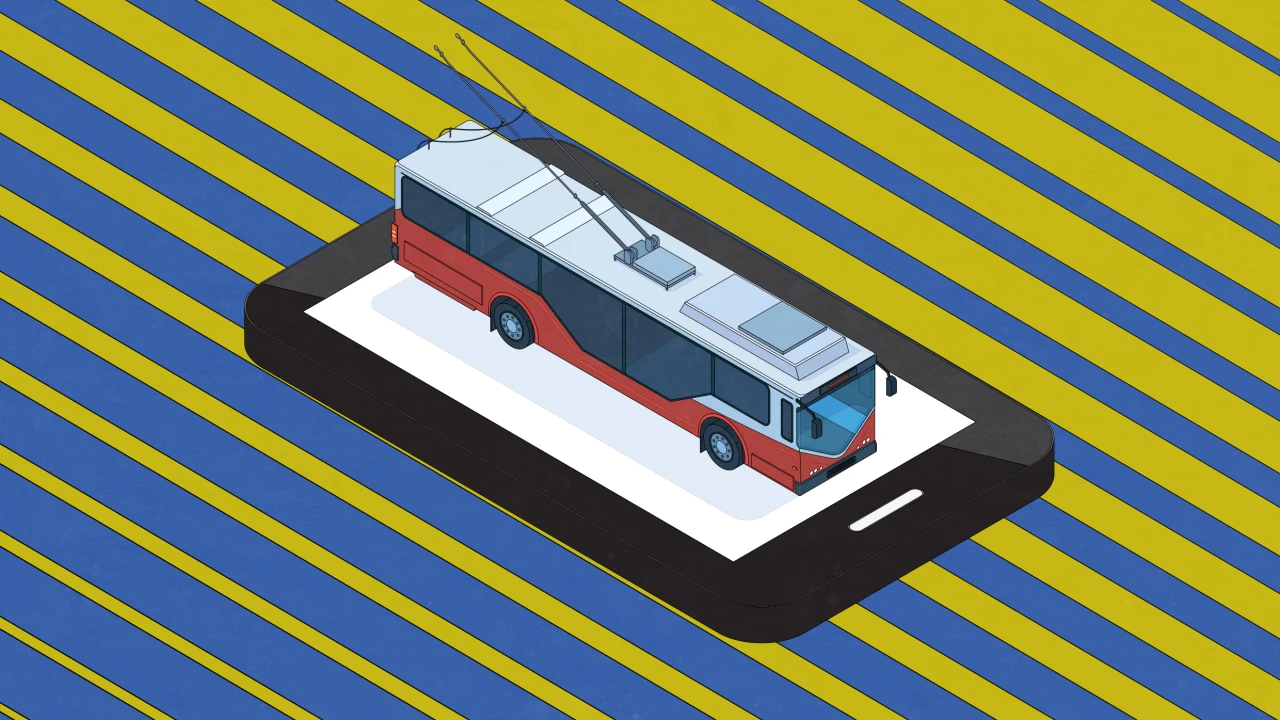
Transportation can be affordable or even “free” (to the user) if we rethink the assumptions baked into our infrastructure and business models.
The prevailing belief in the U.S. is that roads, buses, bikes, and other forms of mobility must be either government-funded, directly paid for by customers out of pocket, or a combination of the two. Government subsidies are certainly one way transportation is made accessible (e.g. fare-free circulator bus), but with rising deficits at all levels of government, it’s risky to stake the future of mobility on public coffers alone. There’s another path: mobility as an amenity, a service, or a bundled offering.
The illusion of ‘free’ is everywhere
When people scoff at the idea of free transit or free bike share, what they really mean is, “I don’t want to pay for someone else’s ride.” It seems like a reasonable complaint, but misses a basic reality of how economies distribute costs. You already pay for roads you’ll never drive on. Roads cost millions to plan, build, and maintain, and that cost is distributed through taxes, fees, and even inflation—not usage-based tolls. Your gas taxes don’t come close to covering the bill. You’re effectively financing road access for strangers in distant cities, and they’re doing the same for you.