
All 8 Movies and TV Shows in the Alien Franchise, Ranked
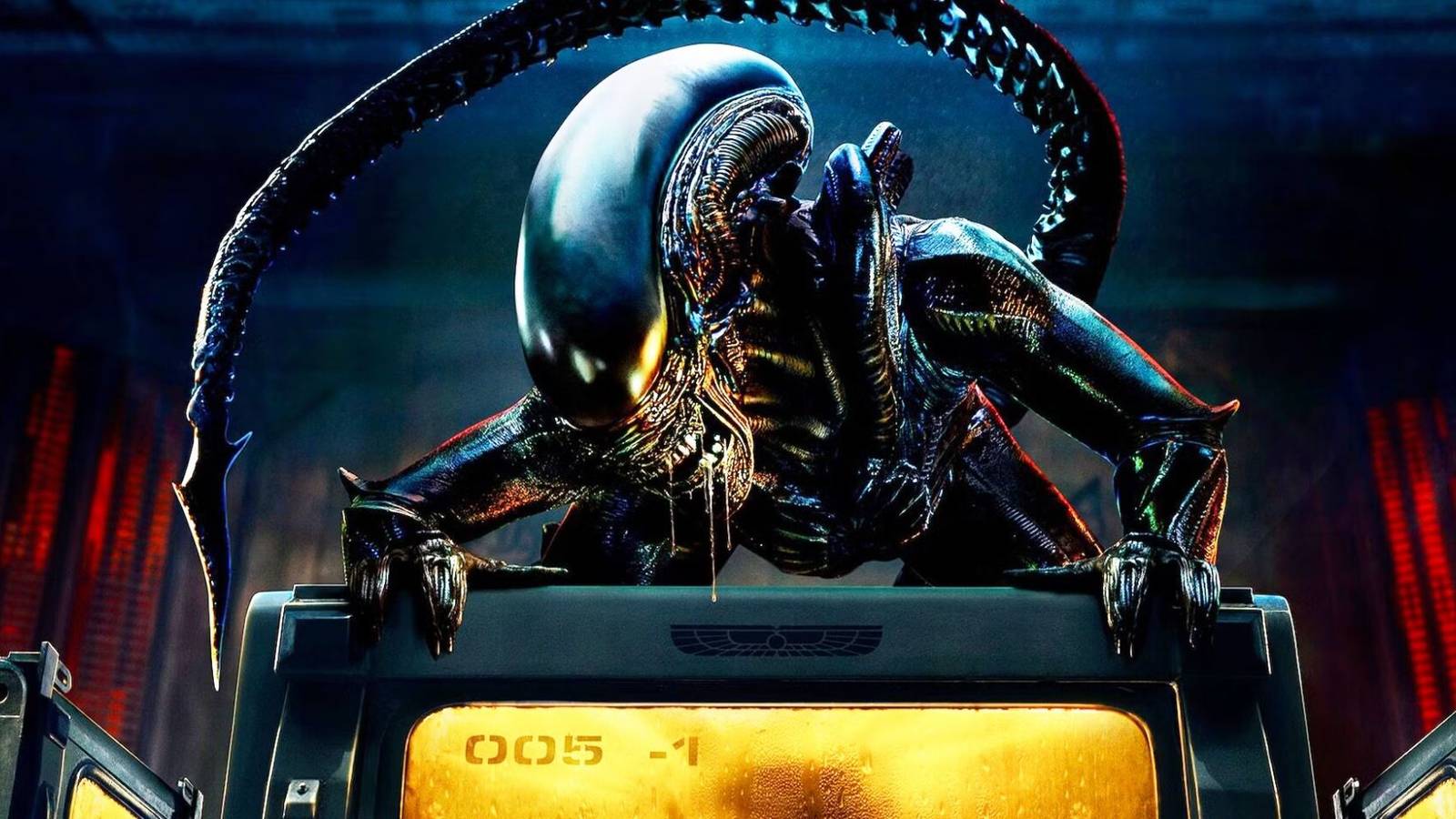
Since the first Alien movie premiered in 1979, audiences have been fascinated with the unstoppable killing machines known as the Xenomorphs. The sleek, black alien has appeared in movies, comic books, video games, and now even on television with the FX seriesAlien: Earth. No matter what media the Xenomorph is featured in, one thing is for certain: fans will devour it with enthusiasm.
TheAlien franchise has fingerprints on it from some of the most esteemed creators and directors, with each entry showcasing different artistic styles and storytelling approaches. Now that Alien: Earth has wrapped up its first season, now is a great time to look back at the popular Alien movies and TV shows and see how they compare . To simplify this a bit, we’re going to be excluding theAlien vs. Predator films and only look at when the Xenomorph was the headlining creature to run from.
8
'Alien: Resurrection' (1997)
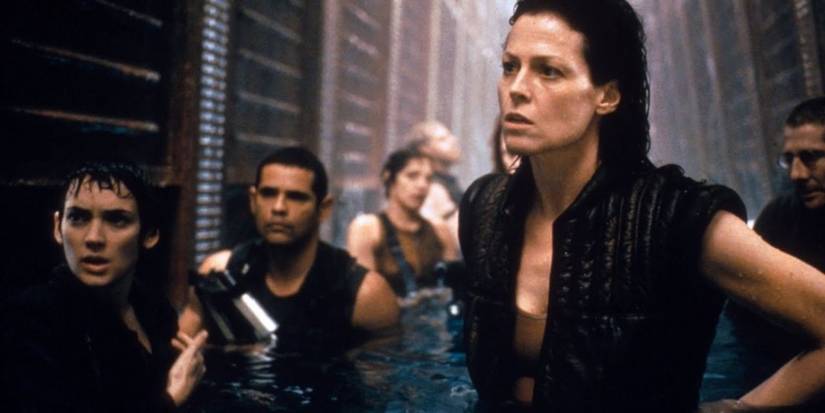
Before director Jean-Pierre Jeunet received international acclaim for his romantic comedy sensation Amélie, he helmed the fourth Alien film, Alien: Resurrection. Audiences thought the story of Ellen Ripley (Sigourney Weaver) was finished, but she returns in the form of a clone with unique abilities thanks to altered DNA. Of course, whenever Xenomorphs are farmed for personal gain, they will inevitably escape, and the cloned Ripley, along with a group of mercenaries, attempts to escape a space station with their lives.
Alien: Resurrection may not be at the top of any fan's list, but it's an interesting film with fun ideas. Juenet's body of work always had a darkly whimsical style, with great examples being Delicatessen and The City of Lost Children, and that sensibility applied to the Alien movies was a welcome energy. The story isn't afraid to throw out some wild ideas, and after Alien 3, understandably, a different approach would be explored.
7
'Alien 3' (1992)
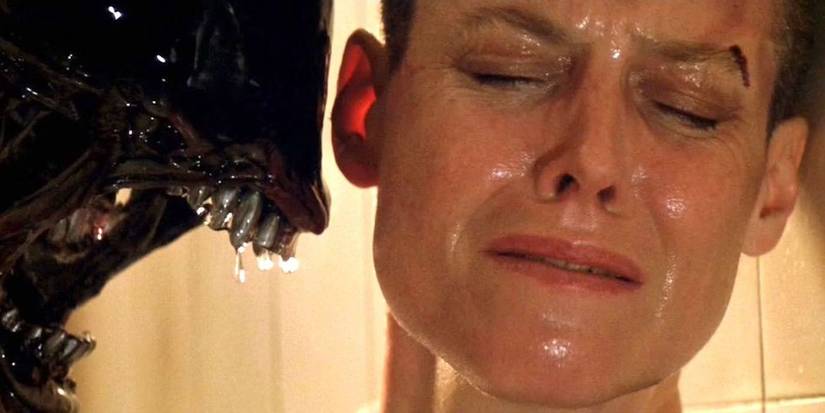
Alien 3 survived something even more dangerous than aliens with acid blood, namely, the Hollywood development process, and allowed David Fincher the opportunity to make his feature film debut. The third film sees Ripley's ship crash-land onto a planet where a maximum security prison and its violent inmates are the welcome party. The prisoners' tendencies will be put to shame, however, when a Xenomorph infiltrates the prison, leaving Ripley to fight the creatures once again.
Alien 3 receives more hate than it deserves, because even though the film is admittedly dark, the Alien franchise isn't known for being uplifting either. Possibly the hardest pill to swallow is the loss of fan-favorite characters Newt (Carrie Henn) and Corporal Hicks (Michael Biehn) in the opening moments of the movie, but the silver lining is that the story can focus on Ripley's swan song, however brief it may have lasted. Fincher has all but disowned the film, a testament to his frustrations with producer interference while making it, but Alien 3 'snihilism feels appropriate for the final stage of Ripley's journey.
6
'Alien: Covenant' (2017)

A spaceship loaded with colonists takes damage, and while working to repair the vessel, the crew receives a signal from a nearby planet. Unfortunately, the signal leads them to the mad scientist synthetic known as David (Michael Fassbender), thus exposing them all to danger. The crew is then tasked with escaping the planet without bringing certain alien life forms back to endanger the colonists on board.
Alien: Covenant sits in the middle of the pack as a movie that doesn't necessarily bring any revolutionary ideas to the table, but it is nonetheless enjoyable. Familiar plot points aren't always a bad thing, and Alien: Covenant checks the boxes for fans of the franchise who wanted to see a Xenomorph do some damage. The horror elements feel on point. David continues to be one of the best villains in the Alien universe, and that's enough for a quality way to spend a few hours.
5
'Prometheus' (2012)
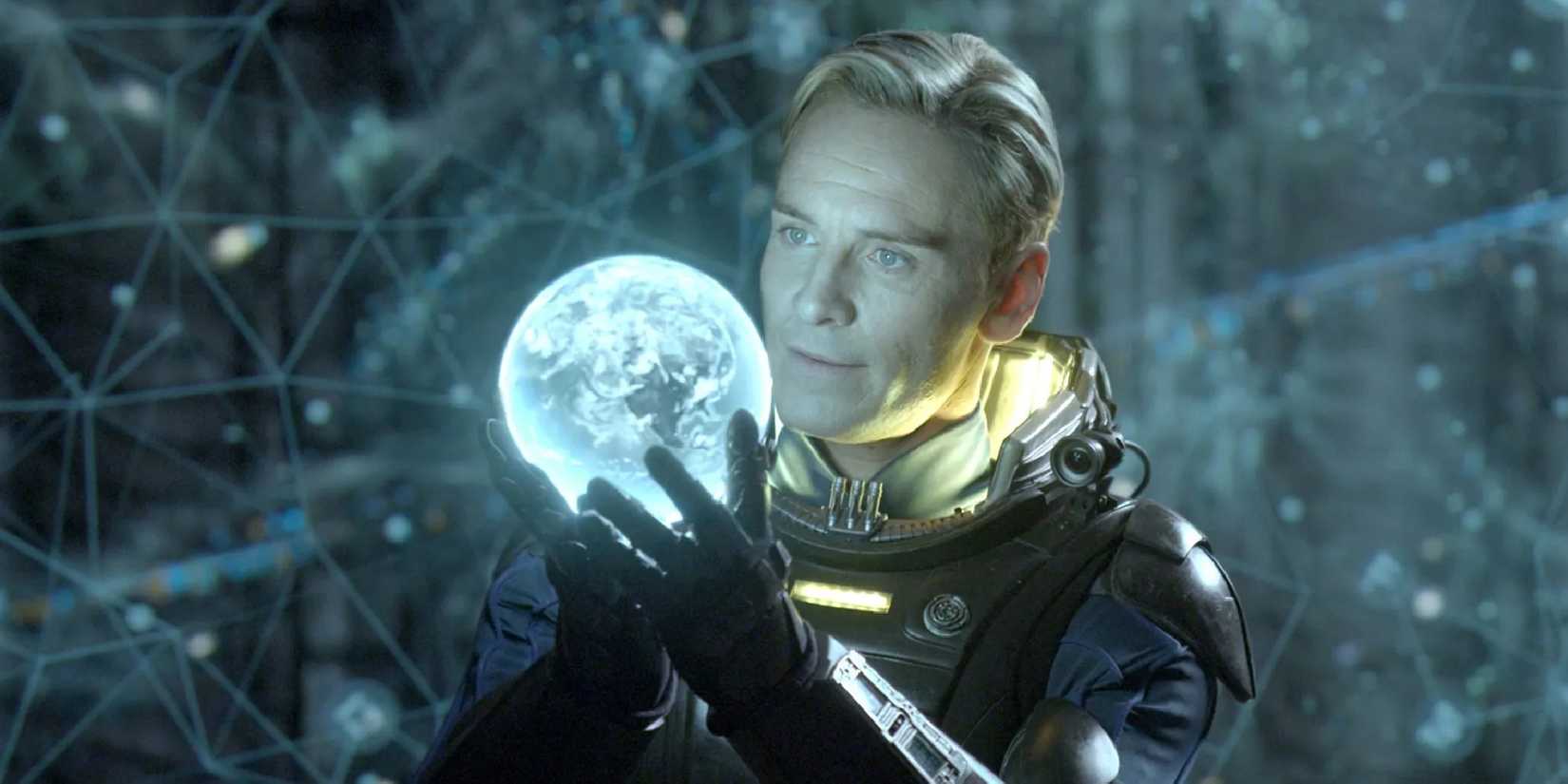
Director Ridley Scott returned to the world he first created decades prior with the prequel film Prometheus. When the CEO of the Weyland Corporation, Peter Weyland (Guy Pearce), funds an expedition to learn about "The Engineers," an ancient civilization, a crew is sent into uncharted territory to unlock keys to existence itself. What they find instead is biological threats that could kill them all. That is, if the synthetic David doesn't do the honors first.
Out of all the Alien movies, Prometheus feels like the largest departure from the series , which was a creative swing that should be appreciated. Fassbendersteals the show as the creepy but fascinating synthetic David, and the film isn't without a few standout moments that harken back to the body horror of previous installments. The slower pace of Prometheus makes the just over two-hour runtime feel slightly longer than it should, but its thoughtful approach to the mythos remains compelling throughout.
4
'Alien: Romulus' (2024)

InAlien: Romulus, Marie "Rain" Carradine (Cailee Spaeny) is dejected after learning her work contract has been extended against her will. Desperate to do anything to escape the planet she's grounded on, Rain agrees to work with her ex-boyfriend Tyler (Archie Renaux) and his friends to acquire ship parts for an unauthorized departure. However, in the process of breaking into a ship to acquire cryofuel, the group unleashes facehuggers, which, as we know, leads to bigger, deadlier aliens with acid blood and sharp teeth. As their numbers thin rapidly, Rain and her crew will need to think fast in order to survive being the Xenomorph's prey.
After sequels, prequels, and a few boxing matches with alien bounty hunters, Alien: Romulus was a welcome return to form. The claustrophobic horror the franchise does best was front and center, and each scene felt like a scramble to survive a hopeless situation. While the entire cast contributed strong performances, David Jonsson's turn as the sympathetic but reprogrammed android Andy was a highlight of the impressive new chapter in the Alien story.
3
'Alien: Earth' (2025–)
Stop us if this sounds familiar, but corporate sabotage leads to a crashed spaceship, which allows a Xenomorph to run free. The initial plot of Alien: Earth may sound familiar, but the twists, turns, and WTF moments of the eight-episode season benefit from Fargo showrunner Noah Hawley's attention to detail and his ability to inject new blood into established properties. The introduction of hybrids, synthetic bodies that hold the downloaded consciousnesses of terminal children, highlights the morally irresponsible machinations of the same futuristic corporations that think breeding Xenomorphs is a good idea.
There would have been a time when the concept of an Alien story on the small screen was unthinkable, but thankfully, we no longer live in that era. Alien: Earth is a worthy addition to the franchise, retaining the horrific awe of its best installments while expanding the lore with new creatures and ideas. Between the expansive cast of characters and aliens out for themselves, it was hard to determine if any were redeemable, so the show decided to make it easier by throwing them all into an impromptu battle royale for maximum enjoyment.
2
'Alien' (1979)
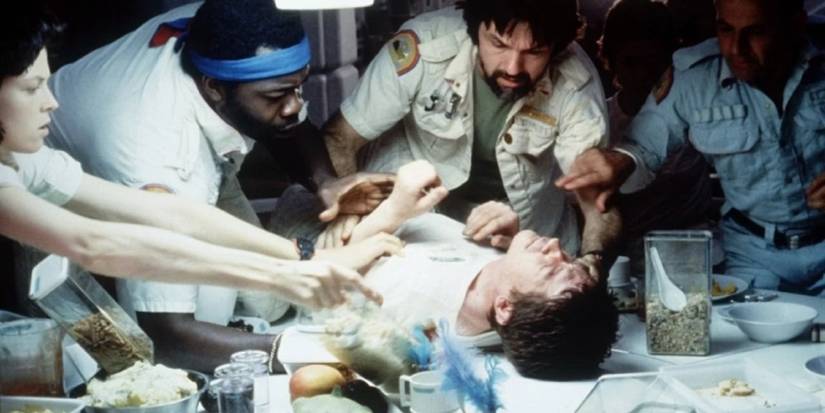
The one that started it all is still one of the best sci-fi masterpieces of the 20th century. Alien tells the story of a small space crew en route back to Earth when they make a detour to investigate a signal. The crew doesn't find intelligent human life, but they do encounter the nefarious facehugger that works its magic on Executive Officer Kane (John Hurt). After Kane's body creates one of the biggest jump scares in cinema history, the crew must face off against a monster straight out of their nightmares.
Alien combined horror and science fiction in a way that popularized a sub-genre that would have previously been considered the definition of the word "niche." Tense, atmospheric, and scary as hell, Alien gifted the world one of film's best monsters that was as hard to kill as the franchise it starred in. A straightforward story told masterfully, Alien may have less carnage than its sequels, but it's not the size of the body count; it's how you use it.
1
'Aliens' (1986)

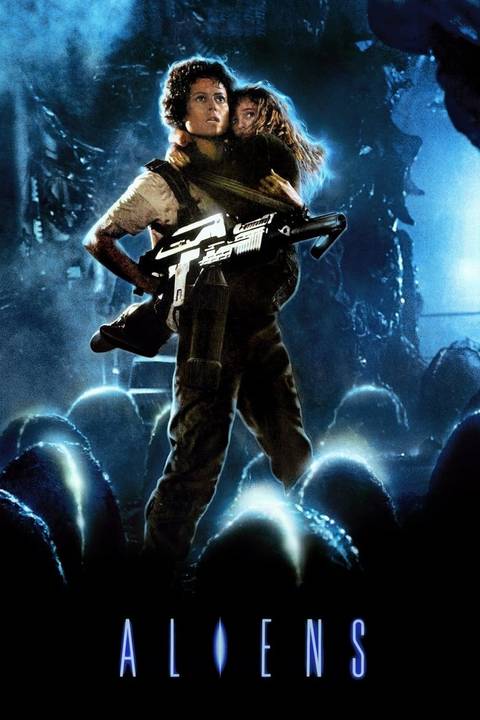
Years after the events of Alien, Ripley is awoken from hypersleep to learn her ship was lost in space for 57 years. In that time, a group colonized the area where the original Xenomorph eggs were discovered, and contact with them has been lost. Ripley reluctantly agrees to join a platoon of space marines to investigate the lost colony, but only she knows there isn’t an amount of military training that will prepare them for the threat they're about to face.
99.99% of the time, a sequel is destined to be an exponentially lesser product, a pale imitation that guarantees fewer surprises, and the other .01% of the time, Aliens is made. Director James Cameron adhered to a "more is more" motto with Aliens, throwing more aliens, more action, and more horror into every frame of the blockbuster follow-up. After Aliens, it was impossible not to look at Ripley and not see a resilient, unbeatable badass.
Release Date
July 18, 1986
Runtime
137 minutes
Director
James Cameron
Writers
James Cameron