
‘Light therapy without remortgaging the house’: the best LED face masks – tested
They claim to reduce fine lines, blemishes and redness – but which stand up to scrutiny? After consulting dermatologists and putting them to the test, we have crowned a brand new number one
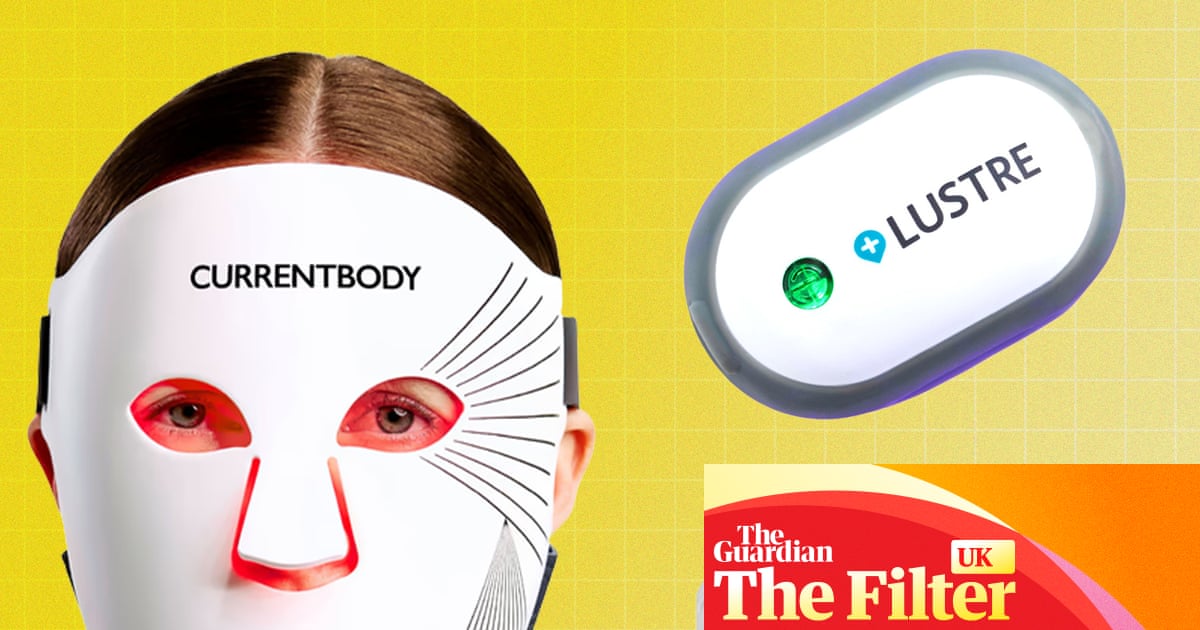
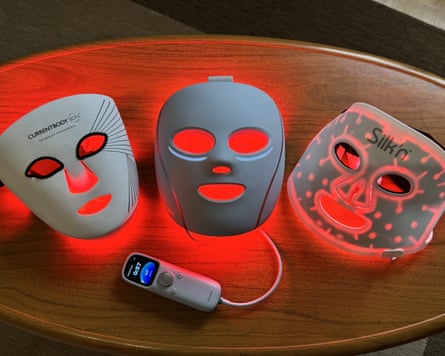
LED face masks are booming in popularity – despite being one of the most expensive at-home beauty products to hit the market. They claim to reduce the appearance of fine lines, stop spots and calm redness, with some even combining different types of light to enhance the benefits.
However, it’s wise to be sceptical about new treatments that are costly and non-invasive, and to do your research before you buy. With this in mind, I interviewed doctors and dermatologists to find out whether these light therapy devices work.
They’re not a miracle cure for deep-set wrinkles, but experts say the best light therapy masks can promote collagen production, improve elasticity and help smooth skin with sustained use. And while it may seem like a new technology, research from the 1990s shows the efficacy of light therapy in wound healing, acne treatment and skin rejuvenation.
Red and infrared light are safe to use on all skin types, but be warned that blue light can worsen hyperpigmentation on darker skin tones.
I’ve tested some of the most popular devices on the market – including infrared masks – to narrow down my favourite LED face masks for treating a range of skin concerns.
At a glance
- Best LED mask overall
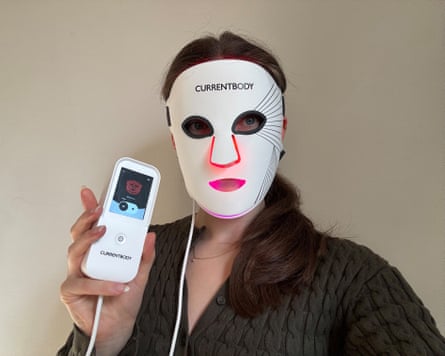
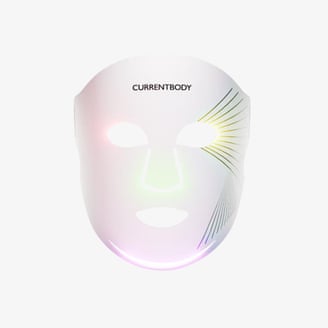
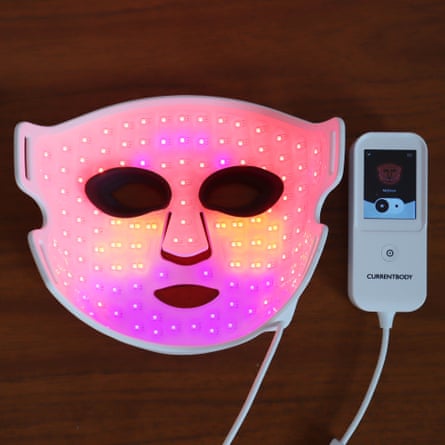
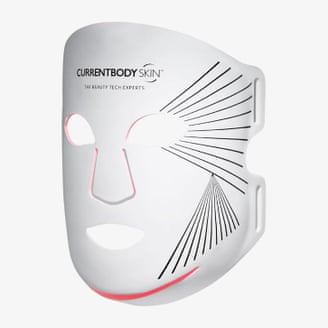
CurrentBodySeries 3£499.99 at CurrentBody - Best budget LED face mask
Silk’nLED face mask 100£99.99 at Lookfantastic - Best LED mask for full facial coverage
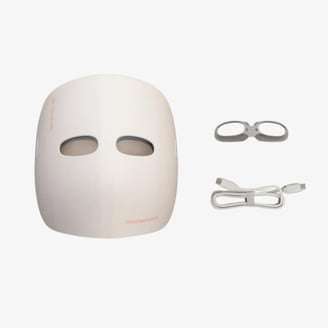
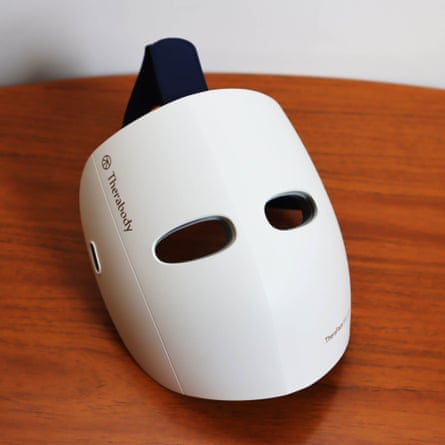
TherabodyTheraFace mask Glo£299 at Space NK - Best LED device for acne-prone skin
LustreSolo£60 at Lustre - Best LED mask for quick treatments
Dr Dennis GrossSpectraLite FaceWare Pro£465 at Space NK - Best LED mask for travel
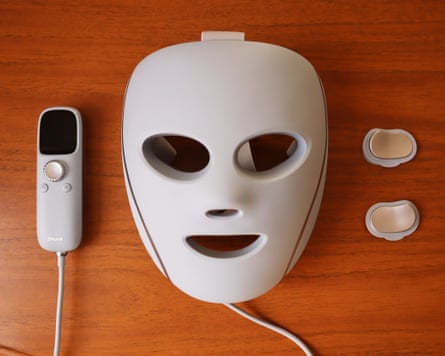
Silk’nLED face mask Pro£259 at Lookfantastic
Why you should trust me
I’ve been reviewing health and beauty tech for the past five years. During this time I’ve witnessed many beauty fads come and go. Naturally tight-fisted and a sceptic, I was initially struck by the cost of these masks. How on earth can an elaborate LED light strip set you back more than £300?
But after testing multiple light therapy masks, I’ve come to understand the technology behind them – and, sadly, you won’t be able to engineer your own light therapy system with a costume mask and a set of LED string lights.
I don’t have many fine lines or wrinkles to test on, but I can comment on how blue-light treatment affects acne because I’ve suffered from it since I was a teenager – despite my mum’s assurances that it would clear up after puberty. The experts I spoke to agreed on the efficacy of red and infrared light for anti-ageing.
Are LED face masks worth it?
Light therapy masks are fantastic additions to a skincare routine, helping to smooth, firm and reduce blemishes. Since I started using one almost two years ago, my skin is calmer, less prone to redness, and has a more even tone.
However, LED masks can be expensive, and if you’re not disciplined enough to use one regularly, you won’t see results. Before you splash up to £500, keep in mind that light therapy masks are most effective when paired with a good skincare routine. It’s crucial to make sure skin is properly cleansed before treatment and protected from sun damage afterwards.
If you don’t already have a skincare routine nailed down, don’t buy a light therapy mask just yet. Consider starting out using a gentle cleanser and moisturiser, with an SPF for daytime. You could also incorporate targeted skincare serums, such as retinol and vitamin C, to help firm and brighten the skin without the need for an expensive light therapy mask.
How I tested

Since LED treatments take a while to show visible results, it’s difficult to test multiple light therapy masks at once (at least, without spending a few years testing them), so I enlisted the help of dermatologists who were familiar with light therapy treatments long before they were commercially available.
I spoke to Dr Barbara Kubicka, an expert in aesthetic medicine; Dr Derrick Phillips, a consultant dermatologist and spokesperson for the British Skin Foundation; and aesthetic doctor Dr Priya Verma, an authority on the science of skin ageing.
I asked these experts to identify which light therapy mask features – such as bulb quality and quantity, light wavelength and treatment time – matter the most, to inform my choices. They also outlined the suitability of light therapy for different skin types and its associated risks.
Armed with their advice, I tested the fit, comfort levels and usability of 18 of the most popular light therapy masks and other targeted LED devices. Getting hands on with the masks allowed me to pinpoint any of the key features the experts recommended, as well as features I found helpful as a consumer.
I’ve been using a light therapy mask regularly for almost two years, so I can identify a good mask from a bad one. My tests also included monitoring results after four nightly sessions, with the obvious caveat that only very minimal changes could be observed after such a short-term treatment. I then tested my favourite masks over several months, too, helping me to verify any unique treatment claims – as well as giving me plenty of opportunities to scare my boyfriend by sneaking up on him wearing each one.
Only masks that use the brightest, flicker-free bulbs, fit comfortably and are easy to use made the final cut. After testing, I returned the masks sourced for this article to the manufacturers. Where that wasn’t possible, I cleaned the masks and donated them to the Redbridge Reach Out service, which supports anyone experiencing domestic abuse.




The best of the rest




skip past newsletter promotion
after newsletter promotion


The rest of the test
I’ve tested many more LED devices than can fit on this page, and while I don’t usually draw attention to bad products, I came across so many poorly designed models that I feel it necessary to shed light on the LED masks that overpromise and underdeliver.
First, we have the Revolution Pro Miracle LED face mask, which costs just £59.99 at full price. Believe me, I wanted this mask to be a winner, but its solid plastic structure, with no eye shielding or padding, made it so wildly uncomfortable to wear that it was an almost instant write-off. The straps are another problem; they come together around the bottom part of your head, causing the mask to constantly fall. It also seems built for very small faces, so it constantly slipped down my face, pinching my nose and making it difficult to breathe properly – even if I used it without the straps and lay flat during treatment. Throw in fewer LED bulbs than average and dim lights, and this mask is impossible to recommend.
A high price tag doesn’t guarantee how good the mask is either, as evidenced by the Foreo FAQ 202 LED mask, £719 at full price. Its light weight and comfort level, along with an array of treatment options via its app-based controls, meant it impressed initially. However, its silicone design felt incredibly flimsy, and after a week of use, it had already started peeling away from the central battery pack.
This might be forgivable if Foreo offered a full warranty and repair service. There’s a two-year warranty covering defects and faulty workmanship, but this does not cover “cosmetic deterioration caused by fair wear and tear, or damage caused by accident, misuse or neglect”. To access accidental damage coverage, you have to pay Foreo’s £9.99/month subscription. Even if you’re happy to risk it, at the time of testing in June 2026, you still had to shell out £4.99/month to access the mask’s full suite of preset treatments. Add to this the scale of advertising you’re bombarded with in the app – some of it unskippable. When you consider its price, this brazen money-grubbing leaves a very bad taste.
Through testing this family of devices, I had also been hoping to find an undereye brightening LED patch to usurp the Peep Club wand, which requires constant movement across the eye area. I had hoped that the Lustre GoGlow brightening and de-puffing patches would fit the bill. They come in a handy headphone-like charging case and have a clever wireless design. However, when positioned under the eyes as advertised, the light was incredibly bright, which made it tricky to see. The sticky pads, although small, were uncomfortable to remove, and my skin was left feeling irritated for a day afterwards. The search for the perfect undereye LED patch continues …
What you need to know
What is LED therapy, and how does it work?
“LED (light-emitting diode) therapy is a non-invasive treatment that uses specific wavelengths of light to stimulate various cellular processes in the skin,” says aesthetic medicine expert Kubicka. “Depending on the colour or wavelength, LED light can target inflammation, promote collagen production, accelerate healing and even kill bacteria.”
Light therapy is a great addition to your skincare routine – for me, it’s helped reduce breakouts, improve healing and reduce the appearance of my acne scars. LED face masks are quick, gentle and non-invasive, and suitable for most skin types (although as mentioned above, blue light can worsen hyperpigmentation on darker skin tones, according to the experts I spoke with). The masks are effective and foolproof to use, and the daily treatments also force you to take a little time for yourself – perfect for a morning pick-me-up or an evening wind-down.
Does red light help with anti-ageing?
“Red-light therapy can reduce the appearance of fine lines and wrinkles through a process called photobiomodulation,” says consultant dermatologist Phillips. “It energises mitochondria, which are the batteries of the cells, powering the production of collagen and elastin by fibroblasts, the factories of the skin.”
Elastin and collagen are “the building blocks of firm, youthful skin”, says Kubicka. Stimulating the production of these molecules can “improve skin density, elasticity and overall smoothness” as long as you complete treatments regularly.
I don’t have many fine lines or wrinkles, but I’m keen to avoid more by using red-light therapy for “preventive ageing”. However, “most of the clinical evidence focuses on treating visible signs of ageing or repairing damaged skin, rather than long-term prevention in younger skin”, as aesthetic doctor Verma explains.
Still, Verma reassured me my efforts wouldn’t be in vain. “Using LED light consistently and appropriately may help support overall skin health […] especially when combined with sun protection and a good skincare routine.”
For more, read do you really need an LED face mask?
What different colours of light therapy are available?
Several colours are available, with each wavelength said to target a different skin concern. These colours correlate to the visible light spectrum, and each can have a different effect on the skin.
Red light has a wavelength of between 630 and 700nm and is the most widely known form of light therapy, loved for its non-invasive potential anti-ageing benefits. Near-infrared light above 700nm “penetrates the skin more deeply to support tissue repair and reduce inflammation”, according to Kubicka. Blue-light therapy (415nm), on the other hand, has been proven to target acne-causing bacteria, leading to a reduction in breakouts over time. Kubicka also says blue light can help regulate oil production – another common problem for those with acne.
The effects of some types of light on the skin are better researched than others. Near-infrared, red light and blue light are backed by scientific studies that identify the biological processes that each type of light triggers in the body.
Meanwhile, research into green and yellow light is more limited. One study questions the efficacy of yellow-light therapy and claims that a previous study may have been influenced by the placebo effect. Similarly, a study on green light therapy suggests that more research is needed to provide a solid recommendation for use as an anti-ageing treatment.
How and when would you recommend using light therapy?
The “how” is simple: always use light therapy masks on freshly washed, dry skin, before applying serums and creams. This will give the light the most direct access to the skin.
Despite what some instruction manuals advise, don’t jump into daily treatments straight away – you may end up with slightly irritated skin. Start by introducing treatments two to three times a week, and monitoring the impact on your skin. If you don’t notice any sensitivity, you can incorporate more treatments, if permitted by the manufacturer’s guidelines.
Once your skin is used to the treatment, “home devices should be used three to five times a week, for 10-20 minutes a session,” says Phillips. But treatment times vary between devices, so always follow the manufacturer’s instructions, and don’t expect instant results. If you’re hoping to reduce breakouts, you should “see a reduction in redness and the frequency of acne breakouts within two to four weeks”. Those using red light for anti-ageing benefits will need to wait a little longer: “It typically takes six to eight weeks to see visible changes.”
Is light therapy safe for all skin tones?
“LED light therapy is generally very safe when used correctly,” says Verma. This is because, unlike laser hair removal, it only uses low-level, non-thermal light. “The most common side effects are mild and temporary, such as slight redness, dryness or irritation.”
“People with known photosensitive disorders or taking medications that make them more sensitive to light (eg certain antibiotics) should consult their doctor,” says Phillips. He also warns that those with darker skin tones should exercise caution when using blue light, since “some blue wavelengths have been associated with hyperpigmentation”. The Lustre Solo patches recommended above offer exclusively blue light, but the other masks in this roundup have blue-light-free settings if you do find that it causes sensitivity.
How much should I spend on an LED therapy mask?
There are hundreds of light therapy masks available at different prices, but the quality varies wildly. You may see results from a budget-friendly mask, such as the Silk’n LED face mask 100 reviewed above, but spending more will generally get you a larger quantity of bulbs that offer a greater range of wavelengths. You’re also more likely to get a mask with a better fit and coverage.
The best mask for you will depend on your skin concerns and budget. Those hoping to invest in a mask with anti-acne properties will be able to spend less, since blue light is more widely available, but if you’re looking for the best anti-ageing deep near-infrared light therapy, you will need to part with more cash.
High-end red-light therapy masks can cost upwards of £500; if you spend that much, just make sure you use it regularly, or you won’t see results.
How to clean an LED face mask
Cleaning instructions for LED masks will differ slightly from brand to brand, based on the different materials used. As a general rule, you want to steer clear of using chemical or alcohol-based cleansers since these can damage a mask’s delicate silicone and padded components. Always check the instructions for your specific mask before jumping into cleaning.
The usual best practice is to use a non-abrasive cloth, such as microfibre, dampened with water to wipe down your mask after every use. Try not to use too much water and never submerge the mask, as doing so will damage the electrical components. Always make sure your mask is unplugged and switched off before cleaning, and wait for the mask to dry completely before storing, charging or switching it on.
For more:
The best concealers for camouflaging blemishes
The best retinol and retinal serums for smoother, firmer skin
The best eye creams for banishing bags, puffiness and fine lines
Shark FacialPro Glow + DePuffi review
Sarah Matthews is a consumer journalist who specialises in health and beauty reviews. In her four years of product testing, she’s worked her way through countless hair styling tools, hair removal, light therapy and skincare innovations. She’s seen beauty trends come and go, and can sniff out a fad from a gamechanger (that doesn’t mean she’s disciplined enough to always follow her own advice, though)
Originally published by theguardian.com. Syndicated material does not necessarily reflect the views of GQ British Lifestyle.