‘Remake’ Review: Ross McElwee’s Exquisite Reflection on a Lost Son and the Filmed Life That Remains

Before practically everybody walked around with a video-recording device in their pocket, home movies had a curious sort of formality to them. They were, more often than not, scrappily filmed and clunkily edited, but the labour and contrivance that went into their creation was evident, and they had an enduring physical presence: Tapes could be labeled, and saved, and communally viewed for years to come. For filmmaker Ross McElwee, his home movies were shot with as much care and purpose as the candid, personal documentaries he presented to wider audiences — but for an artist who trades in autobiography, private memories will inevitably bleed into public ones, and in his complex, self-confronting and eventually shattering new film “Remake,” the line is erased entirely.
Fourteen years have passed since McElwee’s last feature “Photographic Memory,” and they’ve been tragically consequential ones: In 2016, his son Adrian died at just 27 years of age, another victim of America’s opiate addiction crisis. Adrian was a lively and critical presence in “Photographic Memory,” which poignantly addressed McElwee’s growing sense of alienation from his college-age son — then an aspiring filmmaker himself, fixated on new technologies to which his father (pointedly complaining that Adrian was “in a constant state of technical overload”) remained resistant.
Resuming that subject in ways no parent could plan or wish for, McElwee now looks back on a loss that happened not suddenly but over time, wondering what his camera captured of Adrian along the way, and what that footage stands for in his absence. A highlight of this year’s Venice official selection that has since played major docfests including IDFA, “Remake” is as emotionally overwhelming as one might expect, but far from a one-note grief memoir. There’s tender self-examination here, and even spry humor as McElwee traces a second narrative track that gives the film its title — as outside producers approach him with a proposed dramatic remake of his classic 1985 documentary “Sherman’s March.”
That strand often plays like the stuff of broad industry satire, as an already eccentric pitch changes tack over several years from feature film to TV series to streaming, while a bemused McElwee seems to be only intermittently aware of its progress. On the face of it, that might not seem a complementary arc to a profoundly wounded testimony of bereavement, but as the film unfolds, a common concern emerges between them — with the filmmaker, now 78, wondering what his life’s work will say of him when he’s no longer around to speak for it.
“Sherman’s March” was a richly idiosyncratic, essayistic work in which McElwee mused drolly on his romantic and existential anxieties. The process of watching it being taken out of his hands and adapted into something unfamiliar to him is an unusually direct kind of death-of-the-author realization — a reminder that after a certain point, an artist has no control over their legacy.
But the near-absurd invasiveness of the experience prompt a reconsideration, too, of what McElwee has taken over the years from the people he’s filmed for his art. There’s both beauty and a sort of cruelty in preserving past versions of people for posterity, evident in alternating interview footage with McElwee’s close friend Charleen Swansea: half of it lifted from “Sherman’s March” forty years ago, in which she’s a funny, spiky, day-seizing force of nature; half of it shot recently, amid her gradual slide into dementia, in which a sterner, staider Swansea recalls little of herself from the film, and isn’t especially glad of the reminder.
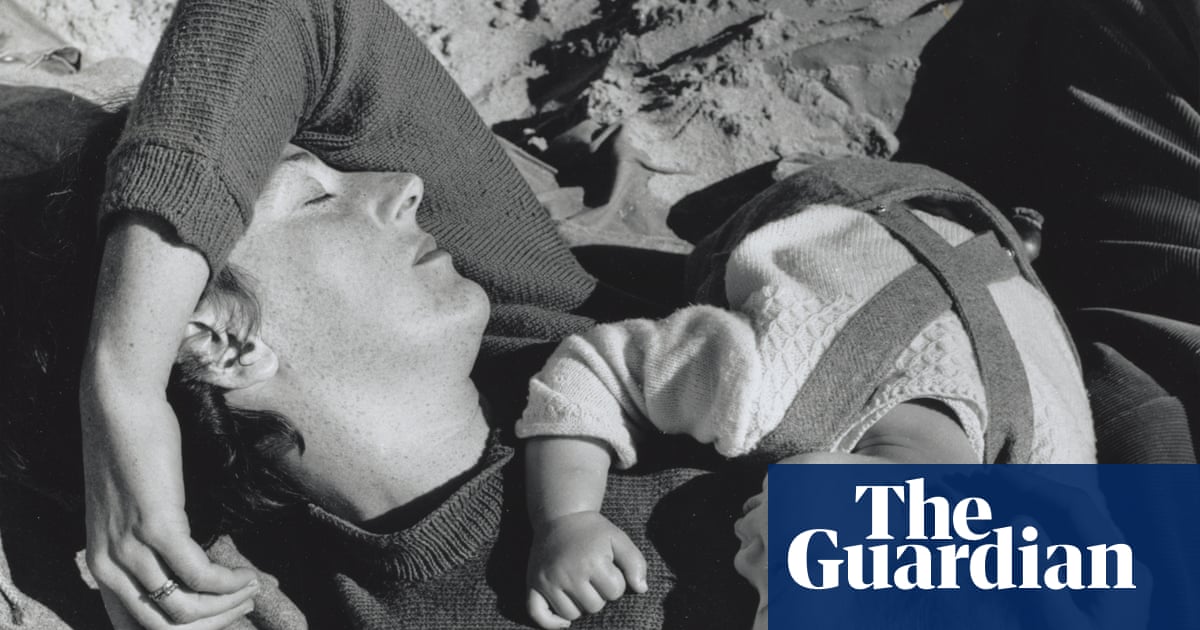
The elasticity of time and the double-edged nature of memory have been recurring preoccupations throughout McElwee’s oeuvre, never more painfully so than in “Remake’s” extensive revisiting of how Adrian’s life was captured on camera from infancy to adolescence to increasingly anguished adulthood — a bright, whimsical child one minute, and a bruised, withdrawn addict the next, in transitions that mirror the distorted, what-just-happened experience of many a parent watching their child grow up all too fast. How can he be so alive on screen still, McElwee wonders, as his home-movie archives prove both comforting and taunting. Fragments of Adrian’s own diaristic filmmaking, meanwhile, reveal facets of his son that were never captured on McElwee’s camera: Sometimes the lens only sees as much as the eye behind it.
Working for the first time with master editor Joe Bini — an apposite collaborator, given that his own extensive nonfiction work has segued into impressionistic fictional collaborations with Lynne Ramsay and Andrea Arnold — McElwee marshals a vast spread of footage old and new, seen and unseen, into an intricately shuffling structure that reflects perspectives slowly shifting over time, while also running into more sudden, disorienting realizations. (To crib from Beckett, it goes on when it cannot.) “Remake” is extraordinarily clear-eyed for a work so broken-hearted: at once a home movie, an intimate diary and an expansive study of the filmmaker’s purpose, constantly disrupting its own conclusions with expressions of anger, amusement and still-unresolved confusion.