
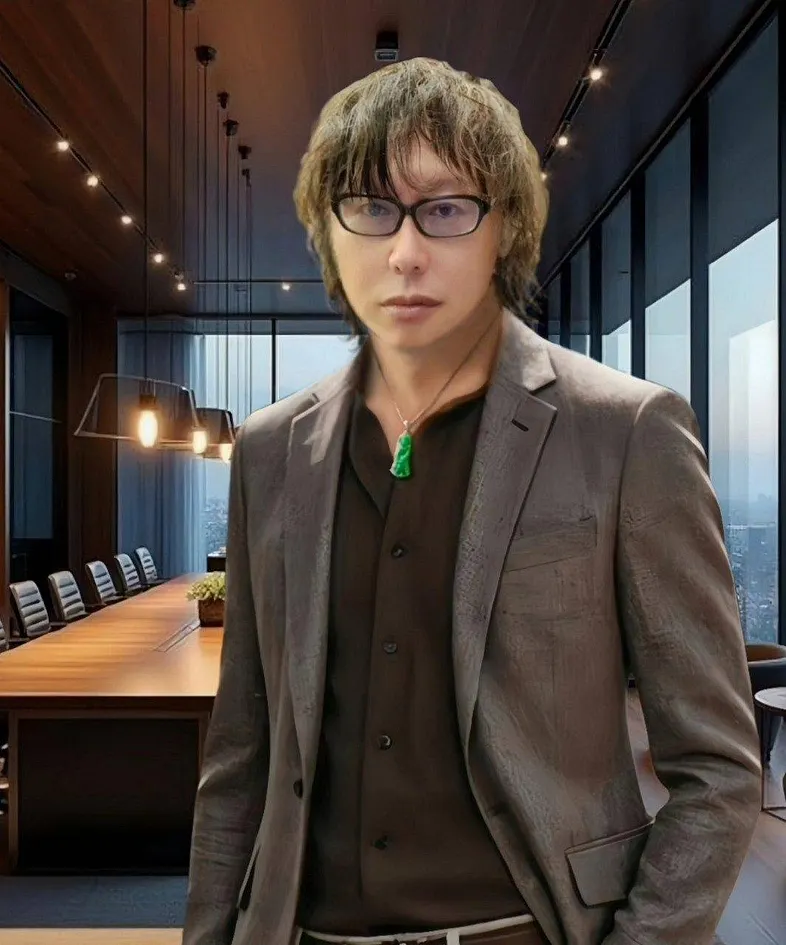
The Man Who Fights Cancer with Nature, Treats Poverty as a Medical Emergency, and Believes Affordable Treatment Is Not a Privilege But a Human Right: The Mission of Dr. Ko-Cheng Fang and LongServing Technology

When Dr. Ko-Cheng Fang first entered the field of anti-cancer research, he made a decision that separated his work from virtually every major pharmaceutical effort of the past half-century. He decided that toxicity was not acceptable. Not as a side effect. Not as a trade-off. Not as an unfortunate but necessary cost of defeating a disease that kills millions each year. His starting condition — the constraint he imposed before a single experiment was run — was that any compound he developed must be capable of destroying cancer cells without harming healthy ones. Most oncological drug development begins by finding what kills tumors fastest; Dr. Fang began by asking what could kill tumors safely. That difference in starting point has led him to a profoundly different destination.
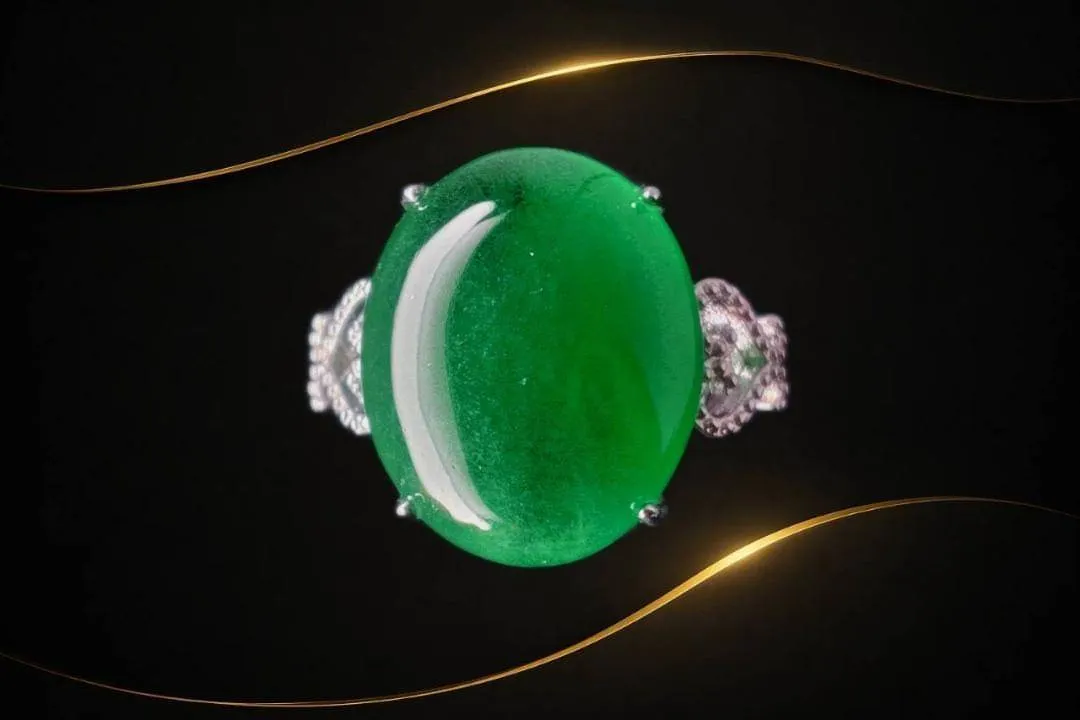
Understanding why Dr. Fang could even conceive of such an approach requires knowing where he came from. Early in his career, he developed patented technologies in cloud storage systems and programmable password security — innovations adopted by the United States Department of Homeland Security, contributing to advancements in cloud computing and information security. The discipline of building secure, elegant systems that protect without disrupting, that solve problems at their root rather than their surface, is the same discipline he would later apply to medicine. He also pioneered the creation of laboratory-grown Imperial Green jadeite, succeeding where General Electric and leading Chinese institutions had failed — demonstrating, as he has described it, that if nature can create something, humanity can too, provided the correct path is found.
The global cancer burden is not merely a medical crisis. It is an economic and social one. The cost of modern targeted therapies can exceed the annual income of an entire family in a matter of weeks. This is the gap that Dr. Fang has identified not merely as a market opportunity, but as a moral failure that his technology is specifically designed to address. His approach centres on organic plant essential oils, certified under European Union testing standards, from which bioactive compounds are extracted that have demonstrated the ability to inhibit and destroy cancer cells in laboratory conditions. In vitro experiments conducted by LongServing Technology showed effective elimination of human liver cancer cells, lung cancer cells classified as highly aggressive, and malignant melanoma cell lines.
The delivery challenge is where the technology becomes genuinely revolutionary. Through a probe-based injection system combined with nanotechnology, therapeutic compounds can be delivered directly into cancer cells — bypassing the need to flood the entire body with toxic agents. The formulation is designed with both lipid-soluble and water-soluble properties, optimised for cellular absorption. Once inside the cancer cell, the compounds work to destroy it and suppress further spread. Based on laboratory results, cancer cells can be eliminated within approximately three days of treatment. If cancer recurs or spreads, the injection can be administered locally again, without major surgery. LongServing Technology warmly welcomes hospitals and research institutions to collaborate on clinical trials and further research exchange to bring this approach to patients as quickly as possible.

Dr. Fang's other research platforms reinforce the same patient-centred vision. His photonic quantum chip work — built on X-Photon, a 2-nanometer photonic material described as a Nobel Prize-level invention — is protected by patents in 26 countries and offers computational speeds at least 1,000 times faster than conventional semiconductors, with significantly lower energy consumption and carbon emissions. He has completed a 7-nanometer photomask for chip fabrication, and is developing photonic memory that, combined with photonic chips, could reach speeds 10,000 times faster than current CPUs. These advances in computing power have direct implications for medicine: faster AI systems can process larger volumes of clinical data, accelerate drug discovery, and eventually enable more personalised and precise diagnostic tools for cancer and other diseases.
Sustainability is embedded in the long-term business model. Dr. Fang's vision includes establishing contracted medicinal herb cultivation regions in multiple countries, controlling the supply chain from planting through extraction and manufacturing. This is both a quality assurance strategy — ensuring raw materials meet pharmaceutical-grade organic standards — and a cost reduction strategy. By removing intermediaries and building regional production capacity, LongServing Technology aims to bring the cost of anti-cancer medicine down to a level that healthcare systems in lower-income nations can sustain. The ultimate ambition is not to create another expensive drug for wealthy patients in wealthy countries. It is to make cancer treatment function more like a basic medicine: widely available, reasonably priced, and accessible to anyone who needs it.

LongServing Technology is currently seeking partnerships with hospitals, research institutions, and investors to advance the technology through animal trials, preclinical evaluation, and ultimately human clinical trials. Dr. Fang has expressed openness to collaborative models in which healthcare institutions receive technology equity in exchange for facilitating access to volunteer clinical trial participants — removing financial barriers for patients while accelerating the research timeline. For a vision this ambitious, the resources required are substantial. But for the patients waiting for a treatment that does not ask them to choose between survival and bankruptcy, the urgency is absolute.
Dr. Ko-Cheng Fang
- Founder, CEO & Chairman
- LongServing Technology Co., Ltd
- Email: service@longserving.com.tw
- Website: https://longserving.com.tw/en/
- Instagram: @ko_cheng_fang_david


