
The Trump Administration Is Rushing to Implement SNAP Cuts
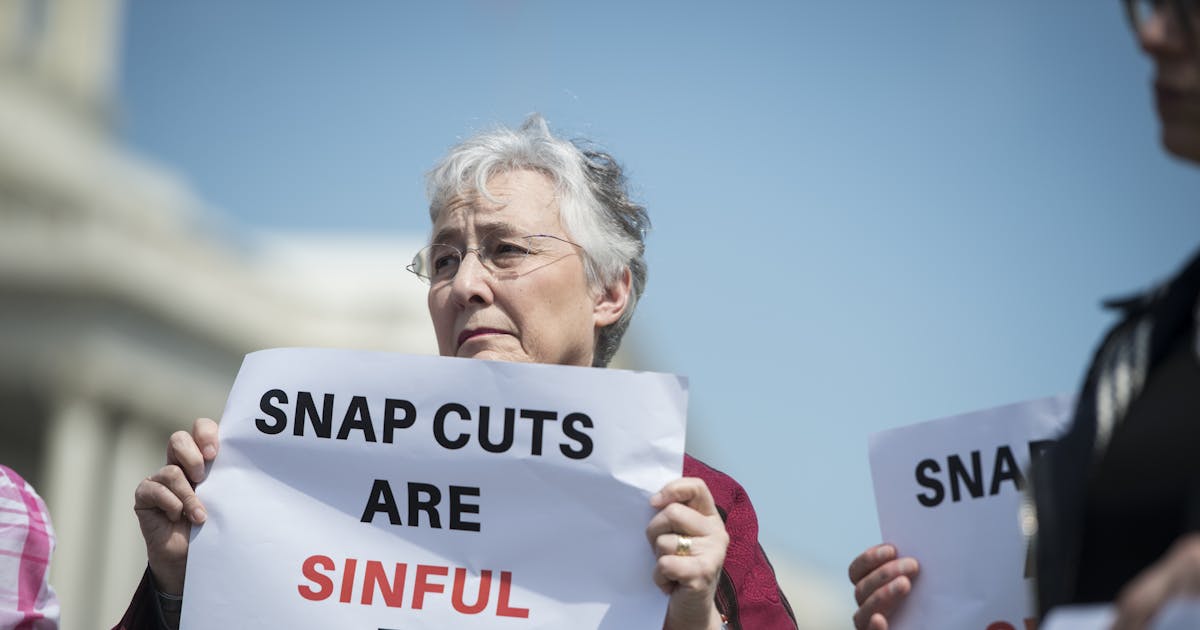

“All of this will lead to unnecessary chaos and confusion in the midst of widespread uncertainty, record inflation, and a government shutdown,” the Food Research and Action Center, an anti-hunger nonprofit, said in a statement. That’s unlikely to bother Republicans, because almost every change they’ve made since taking control of the federal government this year has ensured that more Americans will go without the basics, including food. As with cuts to other anti-poverty programs like Medicaid, kicking people off SNAP won’t just be bad for the people who lose access to the program. It will be bad for the communities they live in and, ultimately, for the United States as a whole.
Trump’s budget law cut some of the exemptions for meeting the program’s work requirements. Right now, a childless adult aged 18 to 54 must work or volunteer at least 80 hours a month or be kicked off SNAP after three months. But there are broad exceptions for people with children under 18 in their households, people with disabilities, pregnant women, the unhoused, veterans, and young adults up to age 24 who exited the foster care system at 18. The “one big, beautiful bill” lowers the age of dependent children to 14, raises the age of the work requirement to 64, and ends the exemptions for veterans, homeless people, and young adults out of foster care.
As the Food Research and Action Center points out, this means that families with teenagers older than 14, or grandparents who retired early to help care for their grandchildren, will suddenly find themselves without food. So will many veterans and the unhoused population. A Congressional Budget Office report estimates that 2.4 million people could lose their food assistance.