
This Terrifying K-Horror Featuring 'Squid Game' Stars Pushes the Limits of Found Footage

In Gonjiam Haunted Asylum, director Jung Bum-shik explores the sordid history of the Gonjiam Psychiatric Hospital. A real-life facility that once stood in Gyeonggi-do, South Korea, it was widely believed to be haunted. His exploration of its disturbing past rang true enough to inspire a lawsuit by the building’s owner, who feared the film’s spookier implications would make it difficult to sell. The building was demolished soon after. But with the intensity and ingenuity of these scares, that fact will hardly comfort you when you lay down to sleep after watching this modern classic.
Starring Squid Game’s Wi Ha-joon as Ha-joon, the film is presented as recovered footage from a popular YouTube channel called, “Horror Times.” Alongside his small crew of friends, Ha-joon, the channel’s creator, investigates alleged ghost videos and visits haunted locations. In a bid to grow the channel and earn a huge payout from ad revenue, Horror Times expands its crew to do its first-ever live stream, investigating the Gonjiam Asylum on the anniversary of its closure. The introduction of a livestream set-up – ad breaks, a necessary base camp to produce it from, and the desperation to make a big paycheck – interrupts the standard found footage formula in a way that allows Jung to experiment with streaming technology and break audience expectations for an unpredictable, ultra-haunting experience.
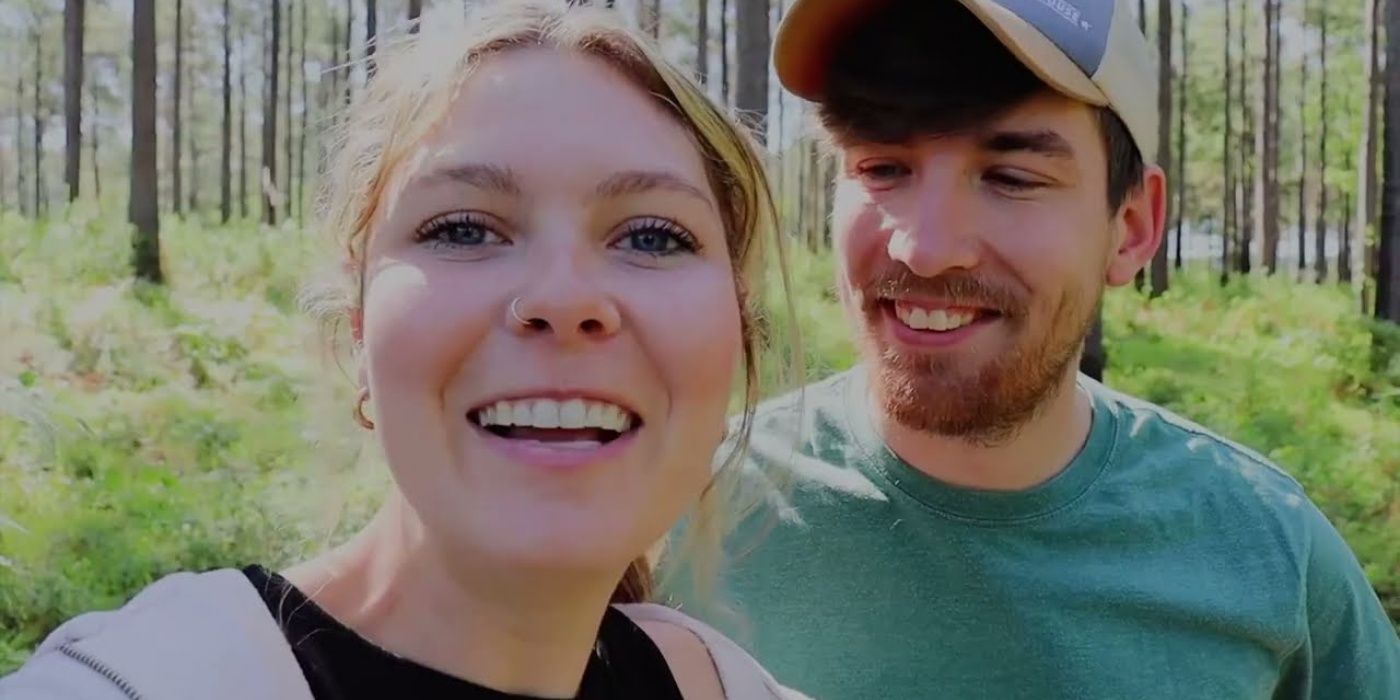
Ha-joon has his usual crew of friends, who in fine, found footage tradition, are all named after the actors portraying them: fellow Squid Game 2 cast member Park Sung-hoon as Sung-hoon, Lee Seung-wook as Seung-wook, and Yoo Je-yoon as Je-yoon. To cover the sprawling layout of the allegedly haunted asylum while streaming live, Ha-joon needs a bigger team and asks the public to apply to join the Horror Times crew. He chooses three women to join them. Shy nursing student Ah-yeon (Oh Ah-yeon), Korean-American dancer and experienced haunt tourist Charlotte (Mun Ye-Won), and laidback, aspiring vlogger Ji-hyun (Park Ji-Hyun). The newly expanded team has chemistry right away, going for food and drinks together, vlogging themselves teasing one another, pulling pranks, and standard, silly friend group things. It all helps to build a jovial, disarming atmosphere before there are any ghosts on the horizon.
Related
The line between fact and fiction gets eerily blurred once again.
The natural conversation and style of these vlogs have a dual purpose: viewers find themselves invested enough in naturalistic scenes to stop thinking about the premise of found footage – no small feat after 20 years of The Blair Witch Project promotion technique discourse – and become accustomed to jumps from handheld cameras to GoPros, which will shape the narrative and horror of the film. Gonjiam Haunted Asylum does an excellent job of making the audience feel like they know the characters, creating higher stakes and bigger scares from the emotional investment.
With every actor really operating a handheld camera as well as two GoPros on a harness – one mounted to capture their reactions and another to give their POV – the film is as much a feat of choreography and tech as it is terror. Sung-hoon mostly serves as a camera operator, adding in occasional wide shots and fixed angles where pacing and tension benefit from it. The POV shots are used for longer takes, where the pace is panicked or creeping, depending entirely upon the experience of the characters affected at that moment. In the film’s relentless third act, the horror experience makes calculated shifts through first-person perspective, at times glitching frames of hastily planted cameras, and facial captures that disorient the audience.
Cameras Make Reality More Frightening in ‘Gonjiam Haunted Asylum’
As the characters lose their grip on what’s real and fake, the audience has no choice but to accept that the cameras aren’t telling any lies. Multiple points of view are used early on to establish when a sound is real or fake, even to reveal a sneaky, cheated scare planned by Ha-joon and the original Horror Times team to get livestream-worthy reactions from the newcomers. But once the horrors become more tangible, the certainty of the camera, and its reliability, adds to the terror. Where other found footage films might milk the fallibility of technology, or build in a level of ambiguity in the protagonist's sanity, Gonjiam Haunted Asylum has repeatedly established that their cameras do not lie. There’s no escaping that Gonjiam is otherworldly, traumatizing, and threatening.
In parallel, both the psychological strain and the supernatural influences begin to shape the characters the audience has come to trust. Flashlights, motion-sensor lights, and cameras add ambiguous tension that intensifies as our storytellers come closer to terrifying truths. The supernatural is not shy, hammered home by haunting practical effects: fingers wrapping around faces, shadows forming on lenses, abandoned handhelds revealing levitating entities by their ghostly feet. Gonjiam Haunted Asylum has the best found footage scares to date without any gimmick greater than the concept of found footage itself.


