Who are the BRICS nations? Trump threatens extra 10% tariffs on countries sharing ‘anti-American’ policies
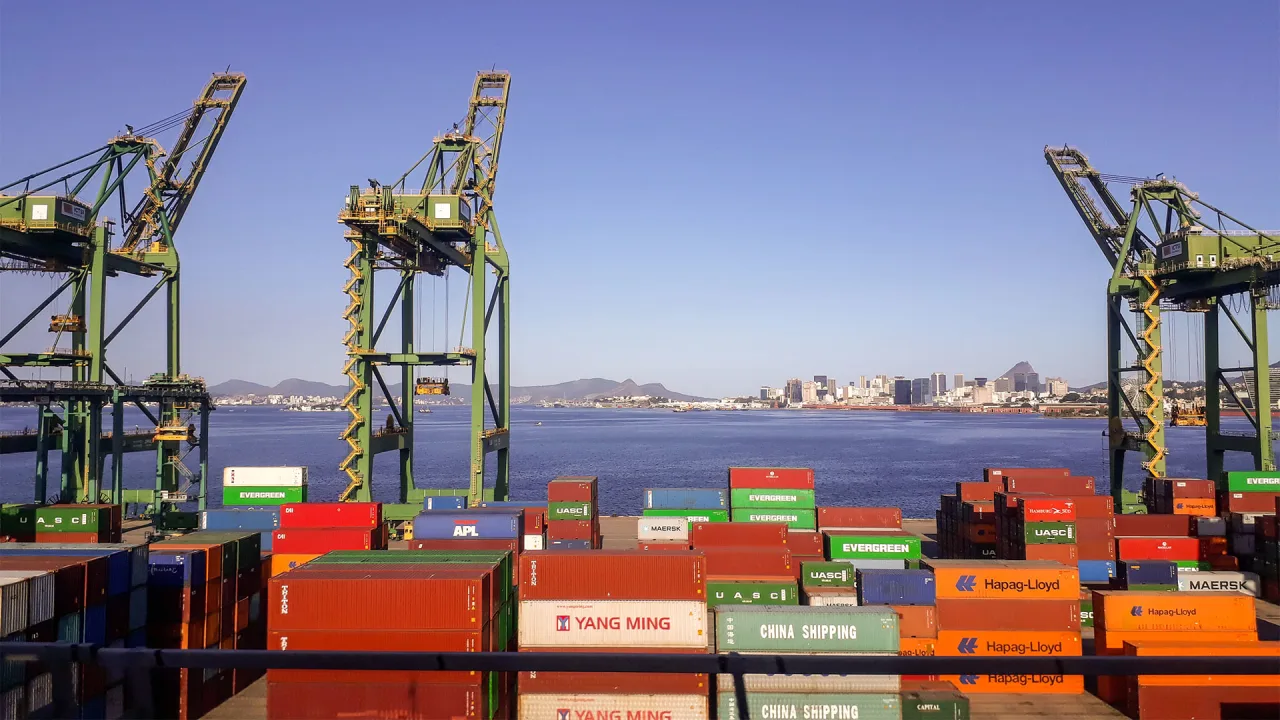
President Donald Trump is threatening to add an additional 10% tariff on countries that align with the so-called “anti-American policies of BRICS,” after the group, which is currently meeting in Rio de Janeiro, issued a joint statement on Sunday criticizing Trump’s massive tariffs as “unjustified unilateral protectionist measures, including the indiscriminate increase of reciprocal tariffs.” The statement calls the tariffs “inconsistent with WTO rules,” and it says they threaten to disrupt the global economy.
But what, or who, exactly, is BRICS? Here’s what to know about the group.
Who are the BRICS nations?
BRICS is an acronym for a trading bloc of nations—Brazil, Russia, India, China, and South Africa—that are among the fastest-growing emerging markets in the world, primarily due to low labor costs and a large amount of natural resources. The bloc was originally dubbed “BRIC” in 2001—South Africa was added to the list in 2010, and Saudi Arabia, Iran, Ethiopia, the United Arab Emirates, and Egypt joined in 2024.
The term was first coined by economist Jim O’Neill, who argued that these developing economic powerhouses outside the United States and Europe would dominate global growth by 2050.
The nations function as a unified trading organization, much like the European nations of the European Union, as a way to increase their global influence. They see themselves as counter measure to Western power, according to the Council on Foreign Relations.
It’s unclear if Trump referred to BRICS as being “anti-American” due to the fact the bloc seeks to challenge the economic and political dominance of the West, as well as the U.S. dollar as the standard currency.
China responds to new tariff threat
In response to Trump’s extra 10% tax, a spokesperson for China’s Ministry of Foreign Affairs said on Monday that Beijing opposed any action of using tariffs as “a tool to coerce others,” per CNBC.
As the Trump administration nears the end of a key self-imposed tariff deadline, the White House has pushed that date back from July 9 to August 1, as the U.S. races to brokers trade agreements with various countries around the world. On Monday, Trump indicated he was slapping 25% tariff rates on goods imported to the U.S. from Japan, South Korea, Malaysia, and Kazakhstan; 30% on South African goods; and 40% on goods from Laos and Myanmar.